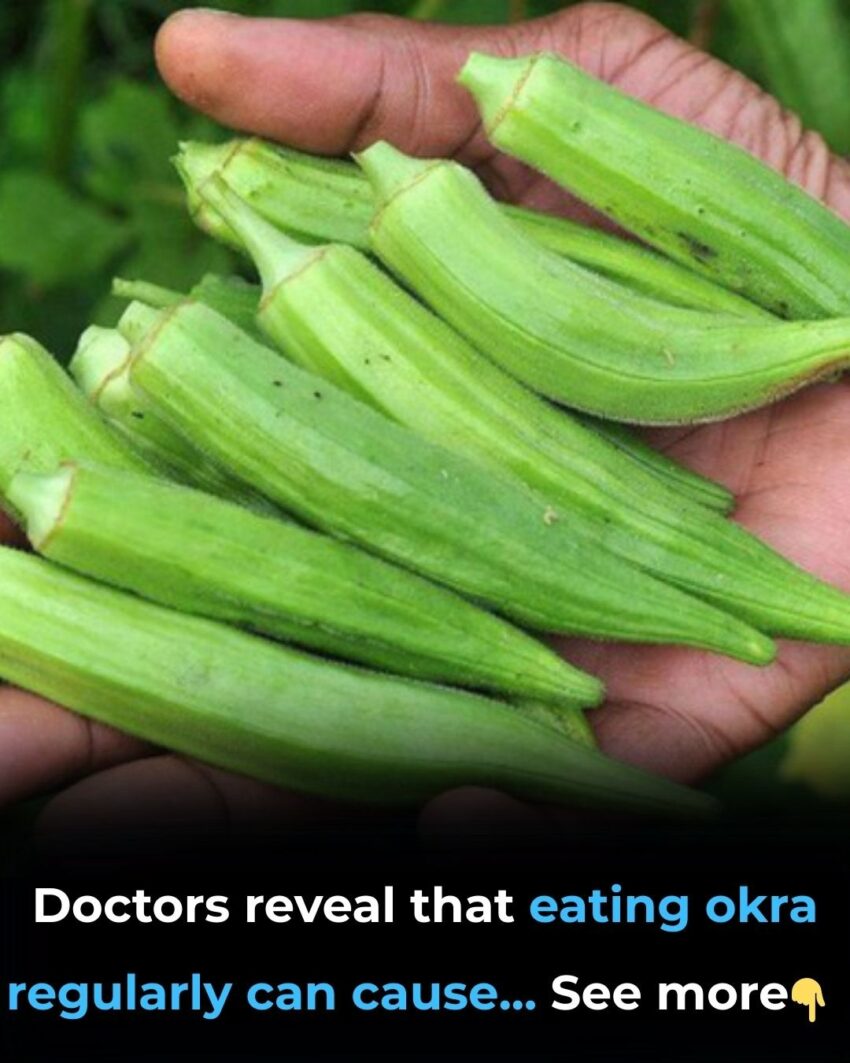
🥣 Okra
Okra is a green, finger-shaped vegetable commonly used in Southern U.S., African, Caribbean, and Indian cuisines. It’s prized for its mild flavor, tender texture, and natural thickening properties in soups and stews.
🔎 Characteristics
- Texture: Crisp when raw, mucilaginous (slightly slimy) when cooked
- Flavor: Mild, slightly grassy
- Color: Bright green
- Uses: Soups (like gumbo), stews, stir-fries, fried, pickled
🌱 Nutritional Benefits
- Low in calories and fat
- High in fiber, supporting digestion
- Contains vitamins C, K, and A, and minerals like magnesium
- May help regulate blood sugar due to soluble fiber content
👩🍳 Cooking Tips
- Reduce Sliminess:
- Cook okra quickly over high heat (sauté, grill, or roast).
- Add acidic ingredients (like tomatoes, vinegar, or lemon juice) to reduce mucilage.
- Avoid overcrowding the pan.
- Popular Preparations:
- Fried Okra: Sliced, coated in cornmeal, and deep-fried until crispy.
- Gumbo: Adds natural thickness to soups and stews.
- Pickled Okra: Tangy and crunchy, great for snacks or garnishes.
- Roasted or Sautéed: Toss with olive oil, salt, and spices, then roast or stir-fry.
💡 Tips
- Slice okra just before cooking to avoid excess slime.
- Use fresh okra rather than frozen for frying or roasting.
- Pair with bold flavors like garlic, smoked paprika, or hot peppers.
- Works well in casseroles, curries, and stir-fries.
I can also give you a crispy fried okra recipe that minimizes sliminess and is perfect as a snack or side dish.
Do you want me to provide that version?
