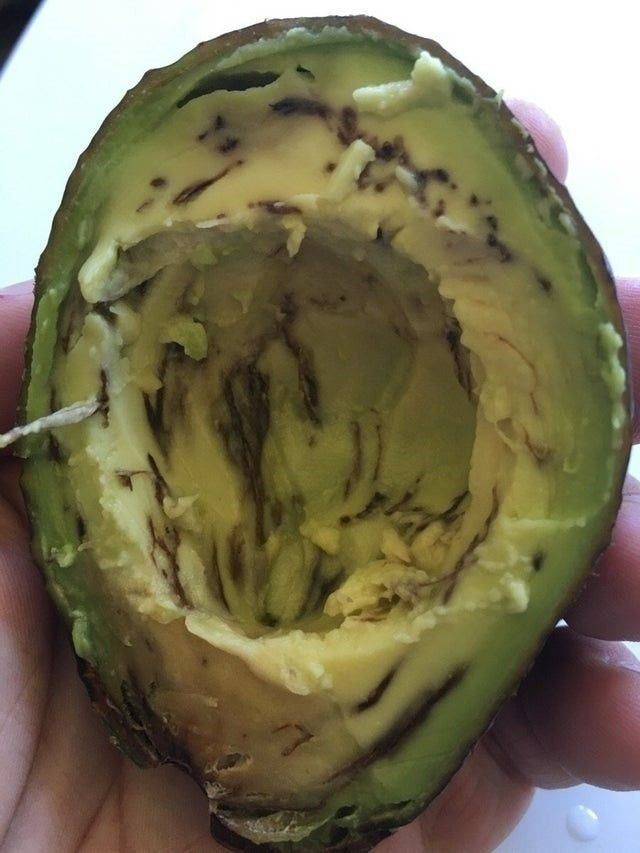
The Hass avocado is the most popular variety of avocado in the world, known for its creamy texture, rich flavor, and dark, pebbly skin. Here’s a detailed overview:
1. Botanical Overview
- Scientific name: Persea americana
- Variety: Hass
- Origin: Discovered in California, USA by Rudolph Hass in the 1920s.
- Skin: Dark green to nearly black when ripe, pebbly texture.
- Fruit size: Medium-sized, typically 200–300 grams (7–10 oz).
2. Nutritional Profile (per 100 g)
- Calories: ~160 kcal
- Healthy fats: ~15 g (mostly monounsaturated, heart-healthy)
- Protein: ~2 g
- Carbohydrates: ~9 g (including ~7 g fiber)
- Vitamins & Minerals:
- Vitamin K, Vitamin E, Vitamin C, B-vitamins (especially B5 and B6)
- Potassium (~485 mg), which supports heart and muscle function
3. Health Benefits
- Heart health: Monounsaturated fats help lower bad LDL cholesterol and raise good HDL cholesterol.
- Anti-inflammatory: Rich in antioxidants like vitamin E and carotenoids.
- Blood sugar support: Low glycemic index and fiber help stabilize blood sugar.
- Weight management: High fiber and healthy fats promote satiety.
- Skin and eye health: Carotenoids (lutein, zeaxanthin) support eye protection, while vitamin E nourishes skin.
4. Culinary Uses
- Raw: Sliced or mashed in salads, sandwiches, or guacamole.
- Smoothies: Adds creaminess and healthy fats.
- Baking & cooking: Can replace butter or oil in some recipes.
- Toppings: Toast, bowls, tacos, sushi, and soups.
5. Ripening & Storage
- Unripe: Firm, green — store at room temperature.
- Ripe: Dark, slightly soft to gentle pressure — eat immediately or refrigerate for 2–3 days.
- Tip: To speed up ripening, place in a paper bag with a banana or apple.
If you want, I can also give a list of 7 easy, creative ways to use Hass avocados daily that boost heart health and digestion.
Do you want me to do that?
