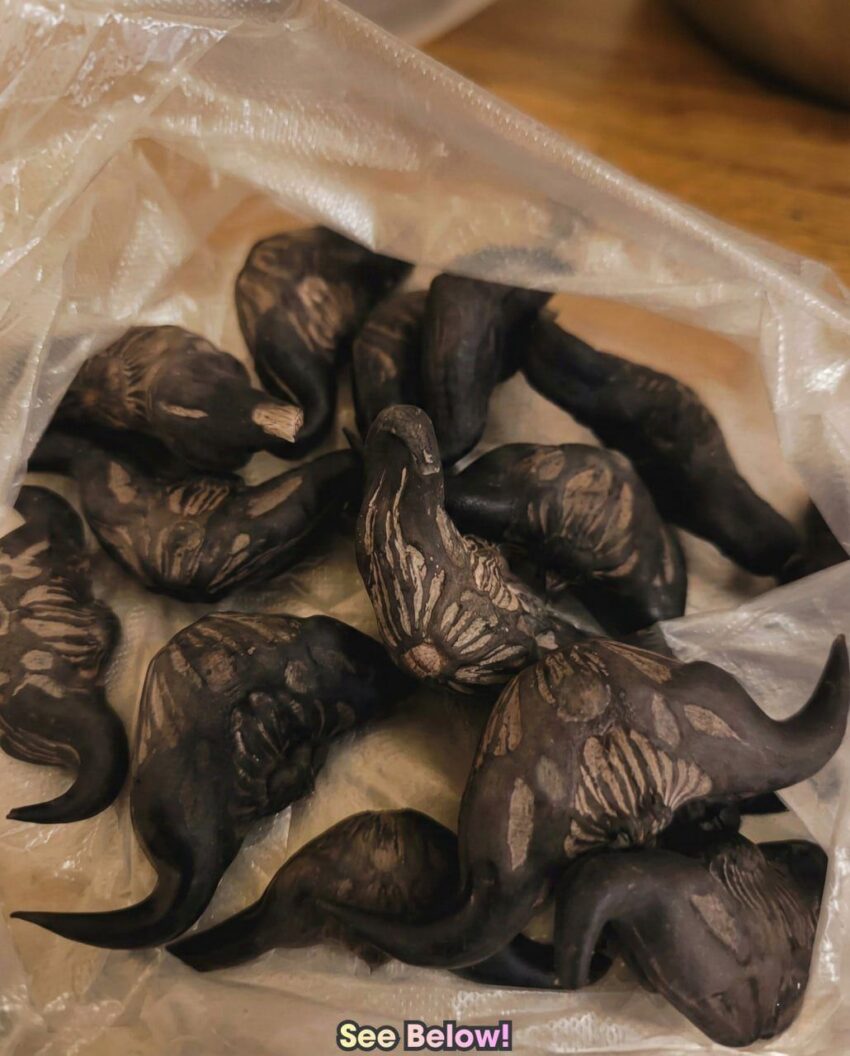
Here’s a complete guide to water caltrops 🌊🥥, also called water chestnuts in some contexts, but they are a unique aquatic plant and nut.
1. What Are Water Caltrops?
- Scientific name: Trapa natans
- Also called bat nuts or singhara.
- Aquatic plant producing hard, horned nuts that float on water.
- Native to Asia and parts of Europe, often found in freshwater lakes and slow-moving rivers.
2. Appearance
- The nut has a dark, hard shell with two sharp points, resembling a bat or horned shape.
- The edible part is white and starchy inside, similar in texture to chestnuts or potatoes.
3. Culinary Uses
- Boiled or roasted and eaten as a snack.
- Ground into flour for making gluten-free pancakes, breads, or traditional dishes.
- Common in Asian cuisines, especially in India and China.
- Can be added to curries, desserts, and stews.
4. Nutritional Value
- High in carbohydrates, low in fat.
- Good source of fiber, potassium, and antioxidants.
- Naturally gluten-free, making it a healthy alternative to wheat flour.
5. How to Prepare
- Soak water caltrops in water overnight to soften the shells.
- Boil for 20–30 minutes until shells are easy to peel.
- Remove the hard outer shell to access the edible white kernel.
- Can be eaten warm or chilled, or ground into flour for cooking.
6. Caution
- The sharp shells can injure hands or mouths if eaten raw.
- Must be properly cleaned and cooked before consumption.
If you want, I can also give a quick recipe for Water Caltrop Stir-Fry or Curry, which is a tasty way to use these nuts.
Do you want me to share that recipe?
