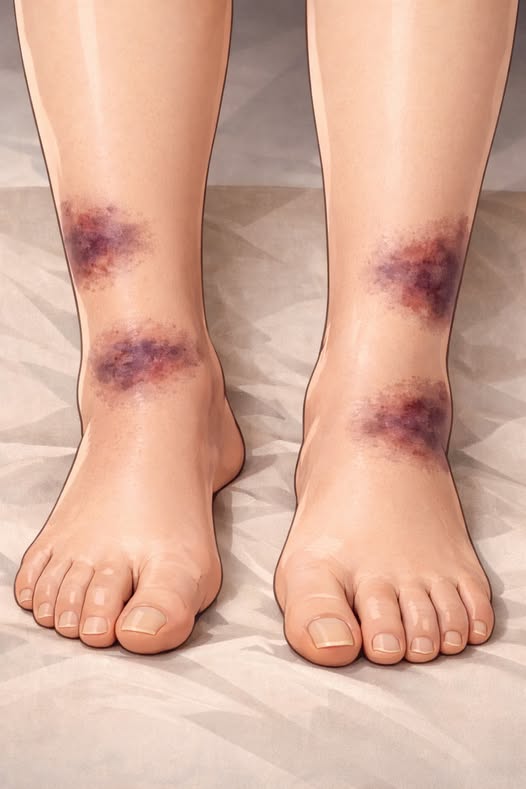
Here’s a clear summary of tissue healing times and what happens during the healing process — based on general medical understanding, including information from the Understanding Tissue Healing Times overview by Eclipse Health and other clinical sources.(Eclipse Health and Osteopathy)
🧠 Phases of Tissue Healing
All tissues heal through three main phases:
- Inflammatory Phase
- Begins immediately after injury.
- Redness, swelling, pain, and heat are normal signs.
- The body sends cells to remove damaged tissue and prevent infection.
- Proliferative (Repair) Phase
- Starts within 1–2 days and can last several weeks.
- New tissue forms — like collagen and blood vessels — to fill the wound.
- Tissue is still weak early on and needs gentle movement or controlled therapy.
- Remodeling Phase
- Can last many months to a year or more.
- New tissue strengthens and reorganizes to restore function.
- This phase determines the long‑term strength of healed tissues.(Eclipse Health and Osteopathy)
⏱️ Typical Healing Times by Tissue Type
Healing time varies widely depending on blood supply, tissue structure, and severity of injury🙁Eclipse Health and Osteopathy)
| Tissue Type | Approximate Healing Time |
|---|---|
| Muscle | A few weeks to a few months (about 2–8 weeks) |
| Bone | About 6–12 weeks for fractures to knit |
| Tendons | 4–6 weeks initial repair; several months for full recovery |
| Ligaments | 8–12+ weeks, possibly many months for severe sprains |
| Cartilage | Slower and variable — often months to over a year |
| Nerves | Very slow — can regenerate about 1–3 mm per day, taking months to years |
Note: These are general ranges and individual healing varies based on age, health, and care.(Eclipse Health and Osteopathy)
📌 Key Points to Understand
- Healing isn’t linear: You may feel better long before the tissue regains full strength.
- Severity matters: A mild (Grade I) injury heals faster than a moderate or severe (Grade II–III) injury.
- Blood supply is crucial: Tissues with more blood flow (like muscle) heal quicker than those with poor circulation (like tendons or cartilage).
- Rehabilitation helps: Controlled movement and physical therapy can guide the healing process and strength gains.(Burlington Physical Therapy)
🦴 Tips for Supporting Healing
- Get adequate rest in the early days post‑injury.
- Focus on good nutrition and hydration — protein, vitamins, and minerals support repair.
- Follow medical advice on activity or rehabilitation to prevent re‑injury.
- Pain reduction doesn’t always mean the tissue is fully healed — strength and function continue to improve long after symptoms decrease.(Eclipse Health and Osteopathy)
If you want, I can tailor this to specific injuries (like muscle strain vs tendon tear) and give expected recovery timelines based on injury severity. Just let me know!
