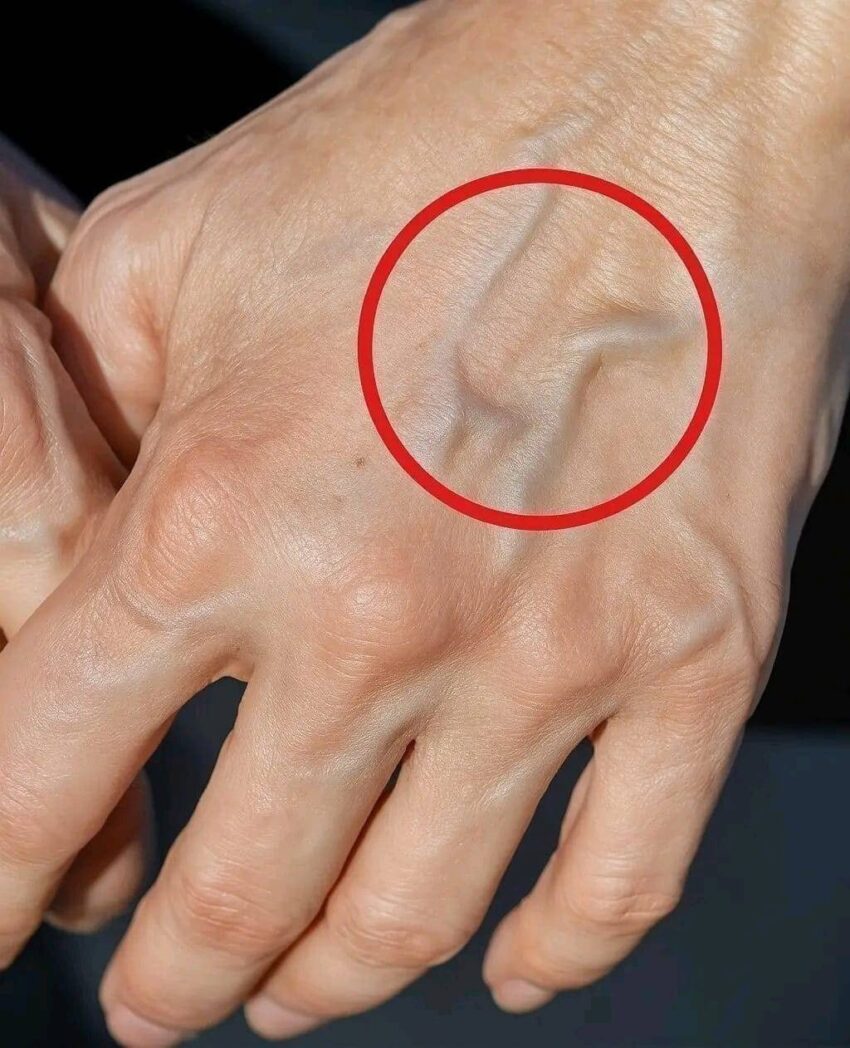
Visible veins—those blue, green, or purplish lines under your skin—can be a normal part of your body’s anatomy, but sometimes they raise questions about your health. Here’s a clear breakdown of what they mean and why they might appear:
Why Veins Become Visible
- Thin or Fair Skin
- People with lighter skin or less subcutaneous fat tend to show veins more clearly.
- Aging also thins the skin, making veins more prominent.
- Genetics
- Some people naturally have more visible veins. Family history plays a role.
- Physical Activity
- Exercise increases blood flow, temporarily making veins more noticeable, especially in the arms and legs.
- Bodybuilders often have “vascular” arms because of low body fat and high blood flow.
- Temperature and Environment
- Heat causes veins to dilate, making them appear larger.
- Cold, on the other hand, can make them shrink.
- Weight and Body Fat
- Lower body fat means less cushioning over veins, so they stand out more.
Potential Medical Causes
While visible veins are often harmless, certain conditions can make veins more noticeable or concerning:
- Varicose Veins
- Enlarged, twisted veins, usually in the legs.
- Can cause aching, swelling, or heaviness.
- Venous Insufficiency
- When veins struggle to return blood to the heart efficiently.
- May lead to swelling, skin discoloration, or ulcers in severe cases.
- Blood Clots or Phlebitis
- Painful, swollen veins can sometimes indicate clot formation or vein inflammation.
- Requires medical evaluation.
- Hormonal Changes
- Pregnancy, birth control, or hormone therapy can make veins more visible due to increased blood volume and vessel dilation.
- Underlying Conditions
- Rarely, systemic issues like liver disease or heart problems can affect vein visibility.
When to See a Doctor
- Persistent pain, swelling, or warmth around the vein.
- Rapidly enlarging or bulging veins.
- Skin ulcers or discoloration near the vein.
- Veins that appear suddenly without a clear reason.
How to Manage Visible Veins
- Lifestyle: Regular exercise, maintaining healthy weight, and avoiding prolonged sitting or standing.
- Supportive wear: Compression stockings for leg veins.
- Medical procedures: For varicose veins, options include laser therapy, sclerotherapy, or minimally invasive surgery.
Bottom line: Most visible veins are normal and related to genetics, skin thickness, or activity. But changes in size, color, or discomfort should be checked to rule out underlying issues.
If you want, I can also explain why veins sometimes appear green versus blue, which confuses a lot of people. Do you want me to cover that?
