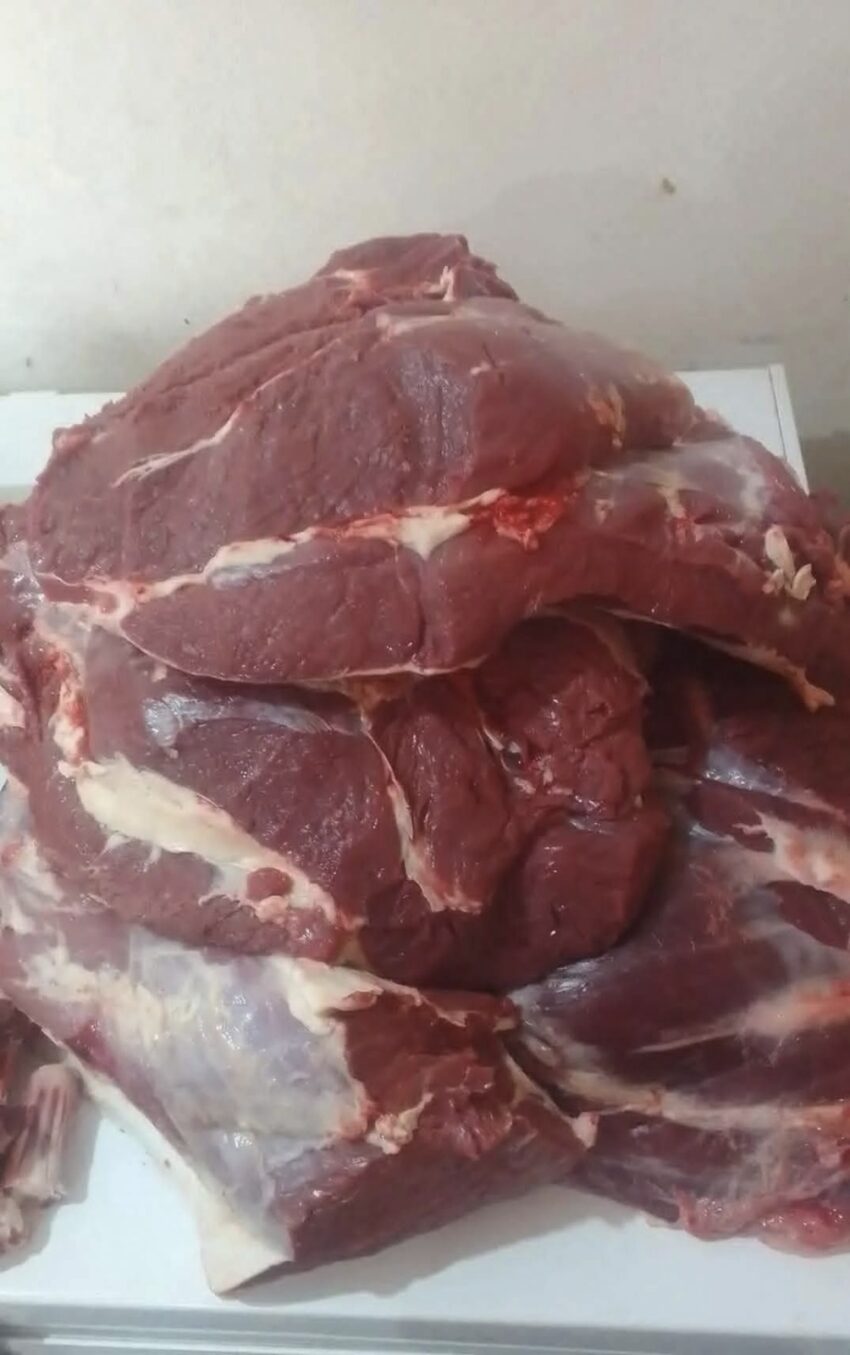
Raw meat refers to uncooked animal flesh, including beef, poultry, pork, lamb, or fish. While some cuisines use raw meat dishes (like sushi, steak tartare, or carpaccio), eating it carries health risks if not handled properly.
Key Facts:
- Types: Beef, chicken, pork, lamb, fish, or game meat.
- Nutritional value: High in protein, iron, and certain B vitamins, but some nutrients are lost during cooking.
- Texture & taste: Softer and more tender than cooked meat, with a distinctive flavor.
Risks:
- Bacterial contamination: Salmonella, E. coli, Listeria, and Campylobacter are common in raw meat.
- Parasitic infection: Trichinella (pork), tapeworms, and Toxoplasma gondii (especially in undercooked meat).
- Food poisoning: Symptoms can include nausea, vomiting, diarrhea, and fever.
Safety Tips if Handling Raw Meat:
- Keep raw meat separate from other foods to prevent cross-contamination.
- Wash hands, knives, and cutting boards thoroughly after touching raw meat.
- Store at safe temperatures: Refrigerate at ≤4°C (40°F) and freeze if storing longer.
- Cook to safe internal temperatures:
- Chicken: 74°C (165°F)
- Ground beef: 71°C (160°F)
- Steaks/roasts: 63°C (145°F) with rest time
Note: Certain raw meat dishes (e.g., sushi-grade fish or cured beef) are treated to reduce risk, but these require careful sourcing and preparation.
If you want, I can make a list of popular raw meat dishes from around the world with their safety considerations, so you can enjoy them more safely.
Do you want me to do that?
