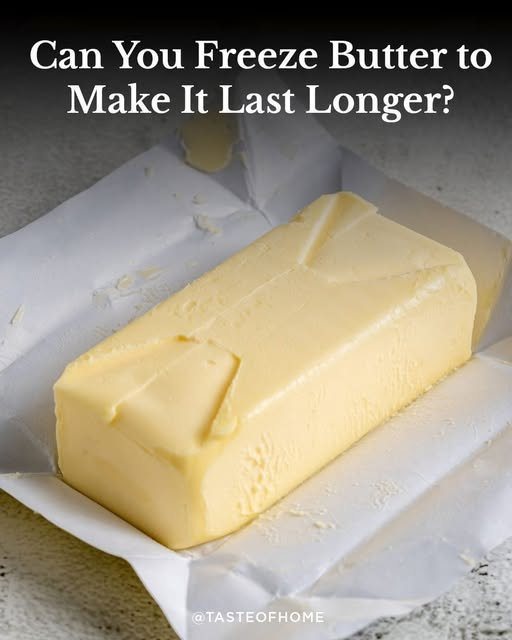
Unsalted Butter is butter made from cream with no added salt. It’s widely used in cooking and baking when you want precise control over the salt content of a recipe.
Key Features
- Flavor: Pure, creamy, and slightly sweet
- Salt content: 0% (compared to regular salted butter, which usually has ~1–2% salt)
- Fat content: About 80–82%
- Forms: Sticks, blocks, or whipped
Uses in Cooking & Baking
- Baking – Cakes, cookies, pastries, and breads often call for unsalted butter so the recipe can control salt precisely.
- Cooking – Sauteeing, sauces, and roux when you want to season yourself.
- Finishing dishes – Adds creamy richness to vegetables, fish, or sauces without extra salt.
Storage Tips
- Keep in the refrigerator for up to 1–2 months.
- Can be frozen for 6–12 months.
- Store in airtight wrapping to prevent absorption of odors.
💡 Tip: Many chefs prefer unsalted butter because it allows them to control the salt in the recipe exactly and adjust seasoning to taste.
If you want, I can also explain:
- The difference between salted and unsalted butter in baking
- How to substitute unsalted butter for salted butter
- The healthiest ways to use butter in cooking.
