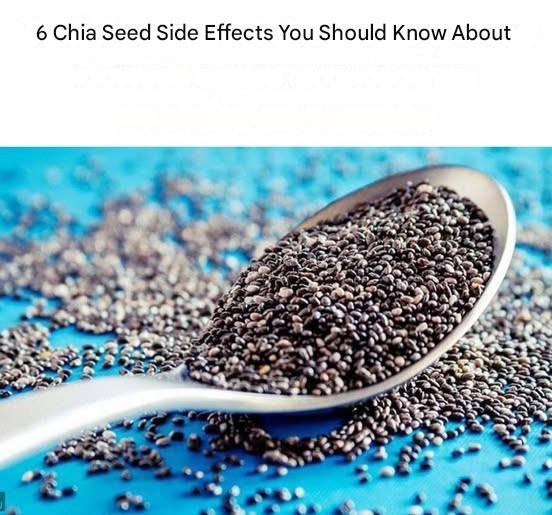
Chia seeds are tiny, nutrient-dense seeds from the plant Salvia hispanica, a member of the mint family. They’re often called a “superfood” because of their high content of fiber, omega-3 fatty acids, protein, and minerals.
🌱 Key Facts
- Size & Color: Very small, usually black or white.
- Origin: Native to central and southern Mexico and Guatemala.
- Taste: Mild, slightly nutty; mostly neutral, so they absorb flavors easily.
- Nutritional Highlights (per 28 g / 1 oz):
- Fiber: ~10 g
- Protein: ~4–5 g
- Omega-3 (ALA): ~5 g
- Calcium, magnesium, phosphorus, manganese
💧 How Chia Seeds Work
- Absorb Liquid: They can absorb up to 10–12 times their weight in water, forming a gel-like consistency.
- Satiety: The gel can help you feel full longer, aiding in appetite control.
- Hydration: Soaked chia seeds release slowly absorbed water, which may help with hydration.
🍽 Common Uses
- Chia Pudding: Mix 3 tbsp chia seeds with 1 cup milk (dairy or plant-based), sweeten, and refrigerate overnight.
- Smoothies: Add 1–2 tbsp directly to your smoothie for fiber and omega-3s.
- Baking: Incorporate into muffins, breads, or pancakes.
- Egg Substitute: Mix 1 tbsp chia seeds with 3 tbsp water, let sit 10–15 min; works as a vegan egg replacement.
- Toppings: Sprinkle on yogurt, oatmeal, or salads.
💡 Tips
- Soak Before Eating: Helps digestion and nutrient absorption.
- Store Properly: Keep in a cool, dry place; can also refrigerate for longer shelf life.
- Moderation: 1–2 tbsp per day is enough; too much fiber at once may cause bloating.
If you want, I can give 3 quick and tasty chia seed recipes you can make in under 10 minutes. Do you want me to do that?
