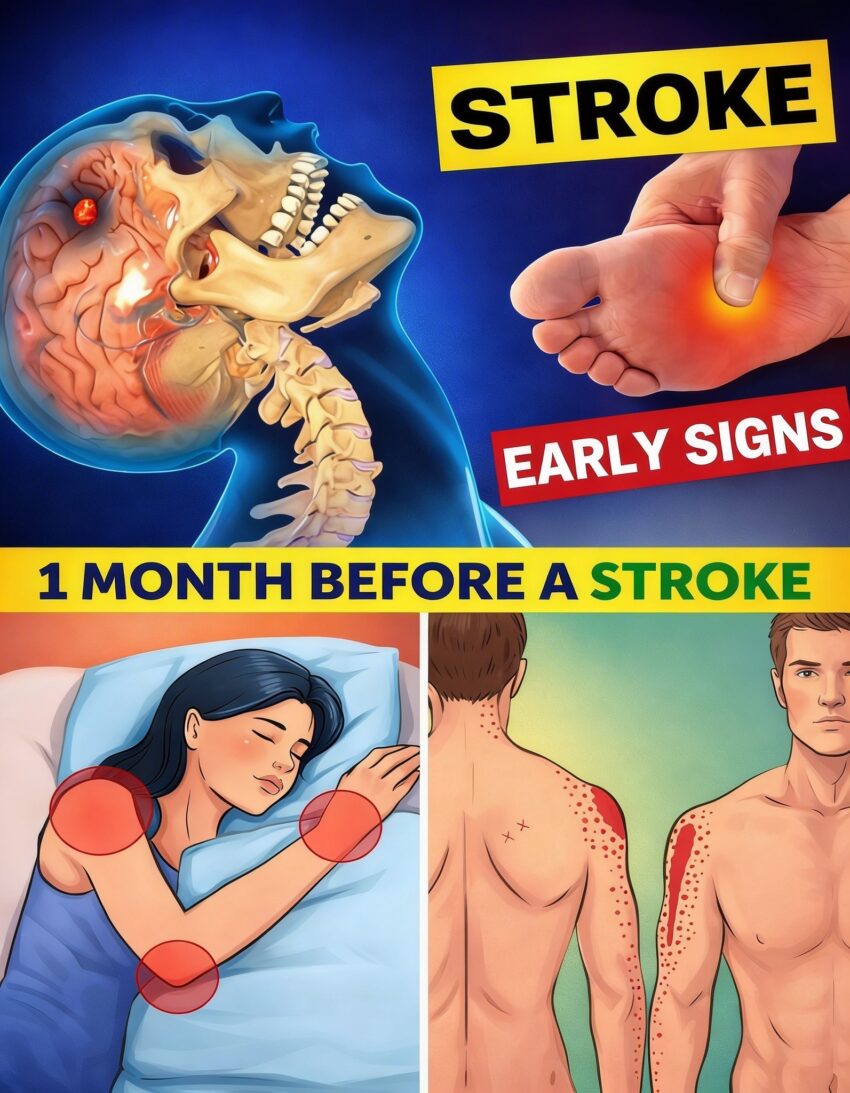
Here’s a detailed overview of stroke warning signs and prevention strategies, based on medical guidelines:
🧠 Warning Signs of Stroke (FAST Method)
A stroke happens when blood flow to the brain is blocked or a vessel bursts, causing brain cells to die. Early recognition is critical.
FAST is an easy way to remember symptoms:
- F – Face drooping
- One side of the face may droop or feel numb.
- Ask the person to smile; the smile may be uneven.
- A – Arm weakness
- One arm may feel weak or numb.
- Ask the person to raise both arms; one may drift downward.
- S – Speech difficulty
- Slurred or strange speech.
- Ask them to repeat a simple sentence.
- T – Time to call emergency services
- If any signs are present, call emergency services immediately.
Other warning signs include:
- Sudden numbness or weakness in the leg
- Sudden confusion or trouble understanding
- Sudden vision problems in one or both eyes
- Sudden trouble walking, dizziness, or loss of balance/coordination
- Severe, sudden headache with no known cause
⚠️ Risk Factors for Stroke
- High blood pressure (hypertension)
- High cholesterol
- Diabetes
- Smoking
- Obesity
- Physical inactivity
- Excessive alcohol consumption
- Heart conditions (e.g., atrial fibrillation)
- Family history of stroke
🛡️ Stroke Prevention Strategies
1. Lifestyle Changes
- Eat a balanced diet: fruits, vegetables, whole grains, lean proteins.
- Reduce salt, sugar, and saturated fats.
- Maintain a healthy weight.
- Exercise at least 30 minutes a day, most days of the week.
- Avoid smoking and limit alcohol intake.
2. Medical Management
- Control blood pressure, diabetes, and cholesterol.
- Take prescribed medications such as antihypertensives, statins, or blood thinners.
- Regular checkups to monitor risk factors.
3. Recognize and Treat Atrial Fibrillation
- Irregular heartbeat can form clots that travel to the brain.
- Seek medical advice for screening and management.
4. Stress Management
- Chronic stress and poor sleep can contribute to high blood pressure and other risks.
- Techniques: meditation, yoga, hobbies, adequate sleep.
💡 Bottom Line
- Time is critical – the faster a stroke is recognized and treated, the better the outcome.
- Healthy lifestyle + medical management can dramatically reduce stroke risk.
- Learn FAST and educate family and friends.
If you want, I can make a visual quick-reference chart for stroke warning signs and prevention tips that’s easy to memorize. This is especially helpful for families and workplaces.
Do you want me to create that?
