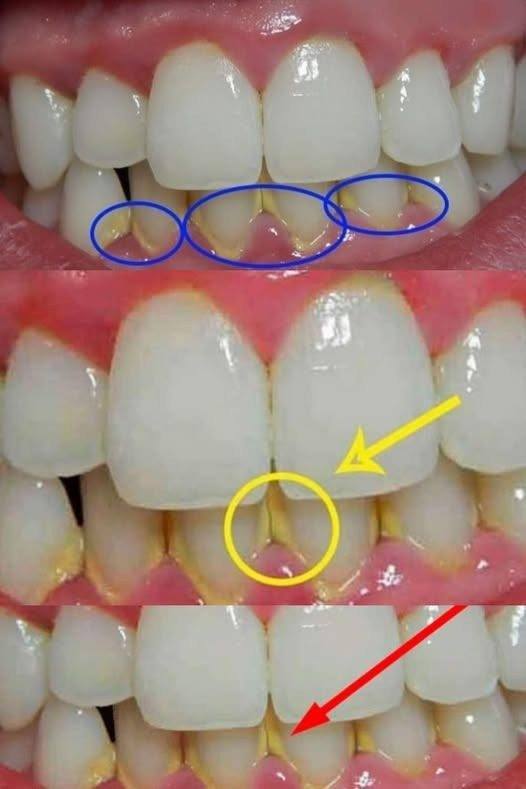
Here’s a clear overview of periodontal disease (gum disease) and how it’s treated:
What is Periodontal Disease?
Periodontal disease is an infection and inflammation of the gums and structures supporting the teeth. It ranges from mild to severe:
- Gingivitis (mild)
- Causes: Plaque buildup along the gum line
- Symptoms: Red, swollen gums that may bleed when brushing
- Usually reversible with proper oral hygiene
- Periodontitis (moderate to severe)
- The infection spreads to the bone and ligaments supporting teeth
- Symptoms: Receding gums, bad breath, loose teeth, possible tooth loss
- Chronic condition requiring professional treatment
Causes & Risk Factors
- Poor oral hygiene → plaque and tartar buildup
- Smoking or tobacco use
- Diabetes or other systemic conditions
- Certain medications (e.g., those causing dry mouth)
- Genetic susceptibility
- Hormonal changes (pregnancy, menopause)
Treatment Options
1. Non-Surgical Treatments
- Professional cleaning (scaling & polishing): Removes plaque and tartar above and below the gum line
- Root planing: Smooths tooth roots to help gums reattach
- Antibiotics or antiseptic rinses: Reduce bacterial infection
- Improved oral hygiene: Brushing twice daily, flossing, using mouthwash
2. Surgical Treatments
- Flap surgery (pocket reduction): Lifts gums to remove tartar from deep pockets
- Bone grafts: Replace bone lost to periodontitis
- Soft tissue grafts: Strengthen or restore receding gums
- Guided tissue regeneration: Stimulates bone and tissue growth around teeth
Prevention Tips
- Brush teeth at least twice daily with fluoride toothpaste
- Floss daily
- Use antimicrobial mouth rinses
- Regular dental check-ups and cleanings (every 6 months or as advised)
- Avoid smoking and manage systemic conditions like diabetes
💡 Key Point: Early detection is crucial. Gingivitis is reversible, but once periodontitis sets in, treatment focuses on managing the disease and preventing further damage, rather than fully curing it.
If you want, I can make a simple at-home care guide to help prevent periodontal disease alongside professional treatment. Do you want me to do that?
