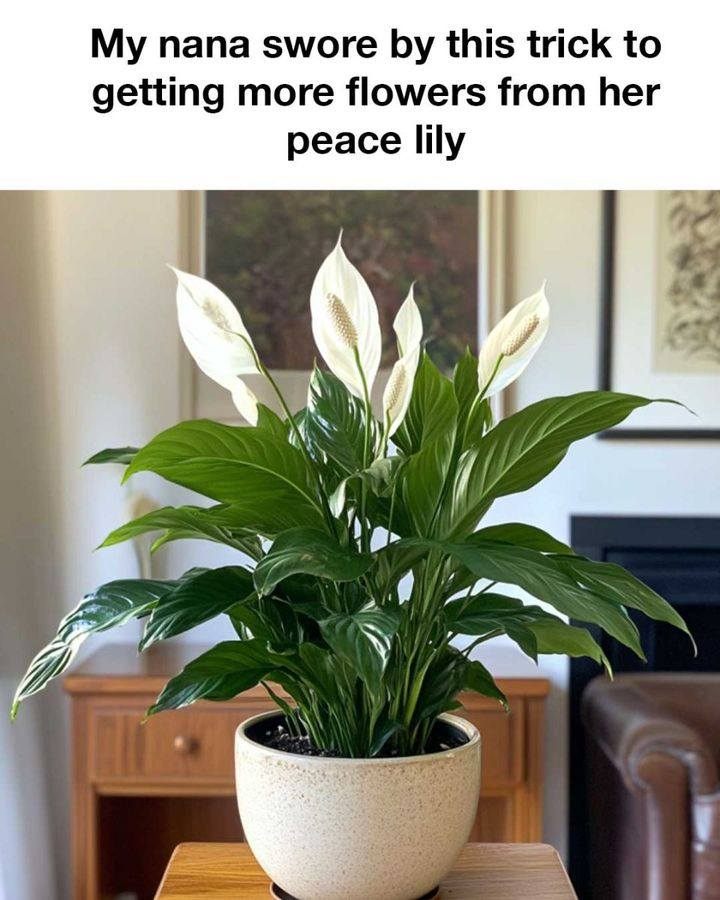
Spathiphyllum wallisii, commonly known as the peace lily, is a popular houseplant appreciated for its air-purifying qualities, glossy green leaves, and elegant white flowers.
Botanical Information
- Family: Araceae
- Genus: Spathiphyllum
- Species: wallisii
- Common Names: Peace lily, Spath
- Origin: Tropical regions of Central and South America
Description
- Foliage: Dark green, lance-shaped leaves that are shiny and lush.
- Flowers: White spathes (the “flower petals”) surrounding a yellowish spadix.
- Size: Typically 1–4 feet tall indoors.
- Growth Habit: Clumping perennial, slow to moderate grower.
Care Requirements
1. Light
- Thrives in indirect or low light.
- Avoid direct sunlight, which can scorch leaves.
2. Watering
- Keep soil consistently moist but not waterlogged.
- Let the top inch of soil dry out slightly between waterings.
- Reduce watering in winter.
3. Temperature & Humidity
- Prefers 65–80°F (18–27°C).
- Sensitive to cold drafts (<55°F / 13°C).
- Likes high humidity; mist leaves occasionally.
4. Soil
- Well-draining potting mix, rich in organic matter.
- Can use a standard houseplant potting soil with added perlite.
5. Fertilization
- Feed with balanced liquid houseplant fertilizer every 6–8 weeks during growing season (spring/summer).
6. Pruning & Maintenance
- Remove yellowing leaves or spent flowers.
- Wipe leaves to remove dust and keep them shiny.
Benefits
- Air purification: Removes pollutants like benzene, formaldehyde, and trichloroethylene.
- Aesthetic: Adds greenery and elegance indoors.
- Low maintenance: Ideal for offices and homes with low natural light.
Warnings
- Toxicity: Contains calcium oxalate crystals; mildly toxic to pets (cats, dogs) and humans if ingested, causing irritation or nausea.
💡 Tip:
- Peace lilies may droop when thirsty but recover quickly after watering—making them an easy “indicator plant” for soil moisture.
I can also make a care schedule chart for Spathiphyllum wallisii showing watering, light, and fertilization for each month—very handy for beginners.
Do you want me to do that?
