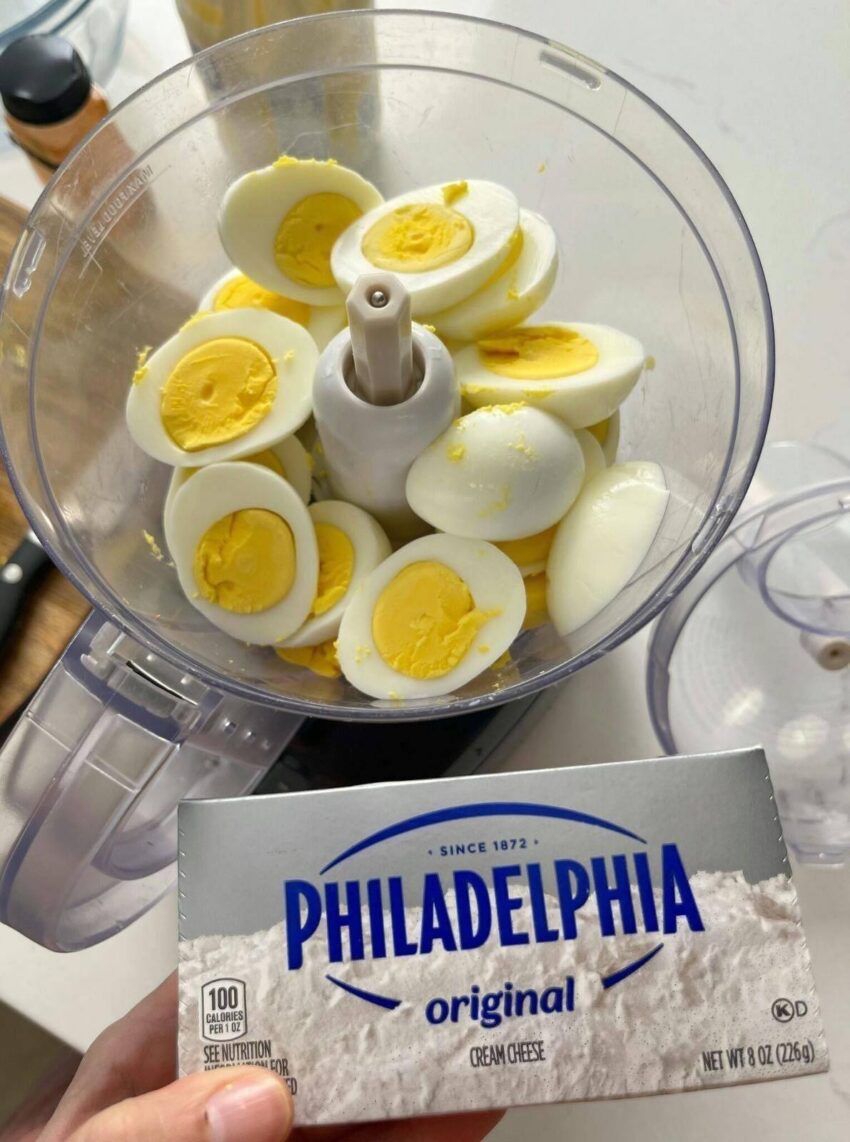
Hard-Boiled Eggs 🥚
Hard-boiled eggs are eggs cooked in their shells until both the white and yolk are fully set. They are a versatile, protein-rich food used in salads, snacks, and recipes like deviled eggs.
1. Nutritional Benefits
- High in protein for muscle and tissue repair
- Rich in vitamins: B12, D, and riboflavin
- Contains minerals: selenium, phosphorus, and iron
- Good source of healthy fats
2. How to Make Perfect Hard-Boiled Eggs
- Place eggs in a pot and cover with cold water (1–2 inches above eggs).
- Bring to a boil over medium-high heat.
- Turn off heat and cover pot; let eggs sit:
- Large eggs: 9–12 minutes
- Medium eggs: 8–10 minutes
- Cool eggs quickly: Place in ice water for 5–10 minutes to stop cooking.
- Peel and serve or store in the fridge for up to one week.
3. Tips for Best Results
- Add a pinch of salt or vinegar to water to make peeling easier.
- Use slightly older eggs—they peel more easily than very fresh eggs.
- Avoid overcooking to prevent the greenish-gray yolk.
4. Serving Ideas
- Eat plain with salt and pepper
- Slice for salads, sandwiches, or grain bowls
- Make deviled eggs or egg salad
5. Fun Fact
Hard-boiled eggs have been eaten for thousands of years, prized for their portability, long shelf life, and nutrient density—a perfect ancient “snack on the go.”
I can also make a diagram showing exact timing for soft, medium, and hard-boiled eggs so you never overcook them. Do you want me to do that?
