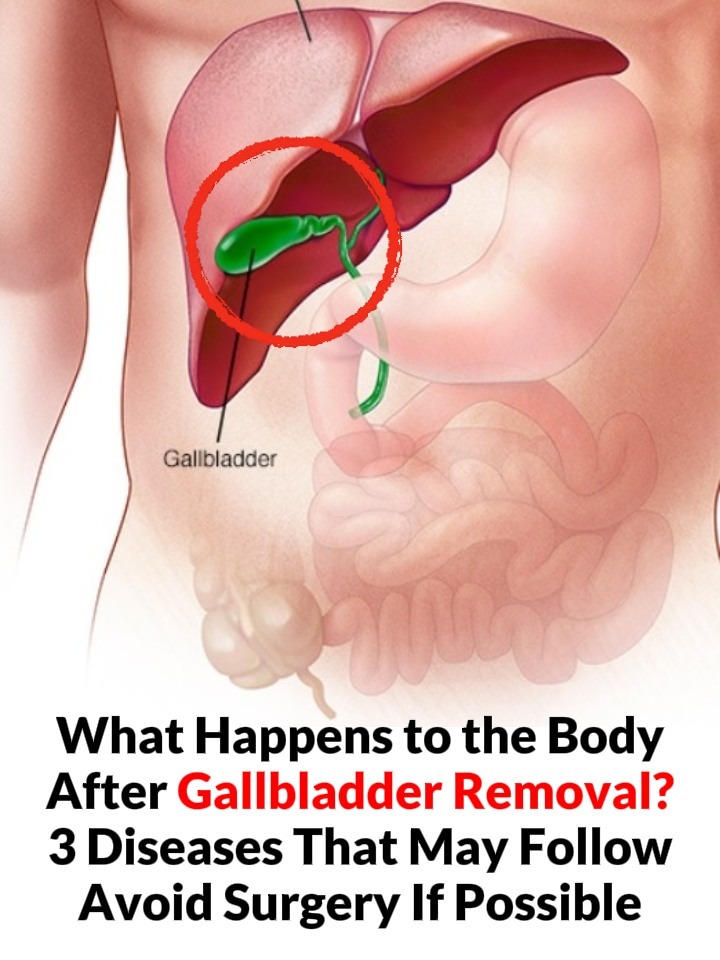
Gallbladder 🫁
The gallbladder is a small, pear-shaped organ located beneath the liver on the right side of your abdomen. Its main function is to store and release bile, a digestive fluid produced by the liver that helps break down fats.
1. Structure
- Size: About 7–10 cm (3–4 inches) long
- Shape: Pear-shaped sac
- Connection: Linked to the bile ducts, which carry bile to the small intestine
2. Functions
- Store bile: Holds bile produced by the liver until it’s needed.
- Concentrate bile: Removes water and electrolytes to make bile more effective in digesting fats.
- Release bile during meals: Especially after fatty meals, bile is released into the small intestine to help digest and absorb fats.
3. Common Problems
- Gallstones: Hardened deposits of bile that can block the bile ducts, causing pain (especially after eating fatty foods).
- Inflammation (cholecystitis): Gallbladder becomes inflamed, often due to gallstones.
- Bile duct obstruction: Can cause jaundice (yellowing of skin and eyes) and digestive issues.
4. Symptoms of Gallbladder Issues
- Pain in the upper right abdomen
- Nausea or vomiting
- Bloating or indigestion, especially after fatty meals
- Fever (if infection occurs)
- Yellowing of skin or eyes (jaundice)
5. Treatment Options
- Dietary changes: Reduce fatty and greasy foods to decrease strain on the gallbladder.
- Medications: To dissolve certain gallstones (less common).
- Surgery (cholecystectomy): Removal of the gallbladder if gallstones or other problems persist. Many people live normally without a gallbladder, as bile flows directly from the liver to the small intestine.
✅ Interesting Fact:
The gallbladder is not essential for survival, but it helps the body digest fats efficiently, which is why people without a gallbladder may need to eat smaller, lower-fat meals.
I can also make a diagram showing the gallbladder, liver, and bile duct system to make it easier to understand how it works during digestion. Do you want me to do that?
