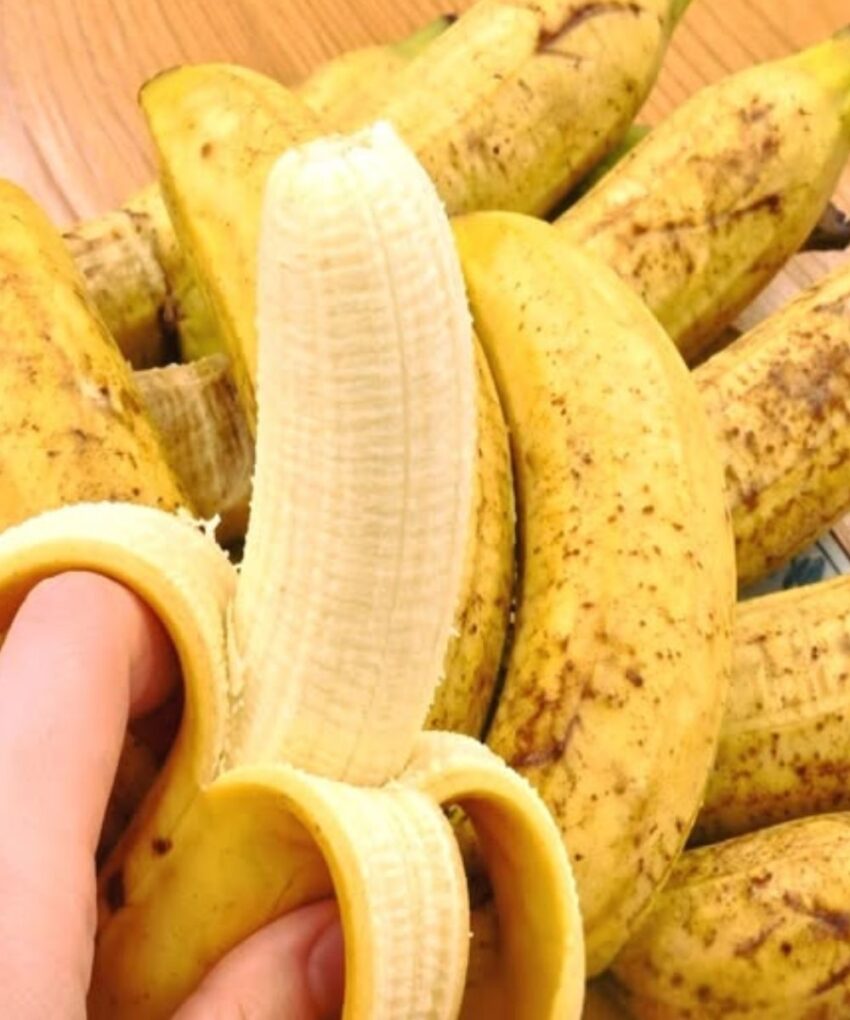
The Cavendish banana is the most commonly sold and consumed banana variety worldwide. It’s known for its sweet flavor, smooth texture, and bright yellow peel when ripe.
🌿 Key Features
- Scientific name: Musa acuminata
- Appearance: Medium to large, yellow skin when ripe, firm flesh
- Flavor: Sweet, creamy, mild
- Texture: Soft and smooth when fully ripe
- Origin: Southeast Asia; named after William Cavendish, 6th Duke of Devonshire
🍌 Uses
- Raw consumption: Eaten as a snack or dessert
- Baking: Banana bread, muffins, pancakes
- Smoothies: Adds natural sweetness and creaminess
- Cooking: Can be grilled, fried, or used in desserts like banana splits
💪 Nutritional Benefits (per medium banana, ~118 g)
- Calories: ~105
- Carbohydrates: ~27 g (mainly natural sugars)
- Fiber: ~3 g
- Potassium: ~422 mg
- Vitamins: Vitamin C, Vitamin B6
🌱 Cultivation Notes
- Propagation: Asexually through cloning, which makes them genetically identical
- Vulnerability: Susceptible to Panama disease (Fusarium wilt), which threatens global crops
- Growing regions: Central America, South America, Africa, and Southeast Asia
If you want, I can also make a comparison chart between Cavendish bananas and other popular varieties like plantains, red bananas, or lady finger bananas, showing flavor, texture, and cooking uses.
