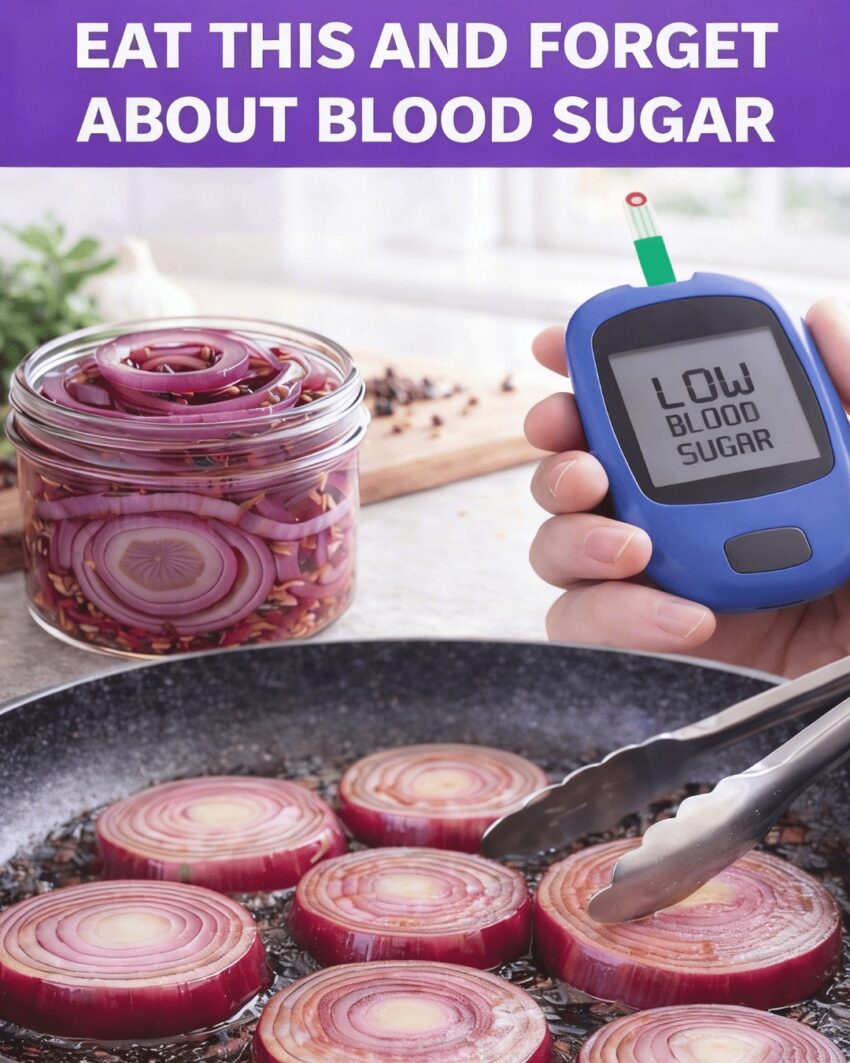
🩸 Diabetes Meter (Blood Glucose Meter) — What It Is & How It Works
A diabetes meter (also called a blood glucose meter) is a medical device used to measure the level of sugar (glucose) in your blood. It’s an essential tool for people living with diabetes to monitor their blood glucose and manage their treatment. (Mayo Clinic)
🧠 What It Measures
Your blood glucose level tells you how much sugar is in your blood at a given time. Monitoring this helps:
- Adjust medications like insulin
- See how food and exercise affect your glucose
- Prevent dangerously high or low blood sugar levels
- Track daily trends and targets with your healthcare team
(Mayo Clinic)
📦 How a Diabetes Meter Works
Most traditional glucose meters use a test strip system:
- Insert a test strip into the meter.
- Prick your fingertip (or sometimes another site) with a tiny needle (lancet).
- Place a drop of blood on the test strip.
- The meter reads the glucose level and displays a number on the screen — usually within seconds.
(Mayo Clinic)
🩺 When & Why to Test
Testing frequency depends on your diabetes type and treatment plan. Common times include:
- Before meals and snacks
- Before bedtime
- When feeling symptoms of high or low blood sugar
- During illness or changes in routine
Your doctor will tell you how often you should test. (Mayo Clinic)
📊 Choosing a Meter
Different meters vary in features. When choosing one, consider:
- Ease of use
- Size of blood sample needed
- Display readability
- Data storage or connectivity features
- Insurance coverage and cost of test strips
(Mayo Clinic)
🚨 Safety Notes
- Always use unexpired test strips and follow the manufacturer’s instructions.
- Wash hands before testing to avoid inaccurate results.
- Do not rely on non‑medical gadgets (like smartwatches) that claim to measure blood glucose without piercing the skin — these are not approved and can give misleading results. (Mayo Clinic)
🩺 Alternative: Continuous Glucose Monitors (CGMs)
In addition to traditional meters, there are continuous glucose monitors (CGMs). These use a small sensor placed just under the skin to measure glucose throughout the day and night. CGMs provide real‑time trends and alerts but may still require a meter for initial setup or calibration. (Mayo Clinic)
If you want, I can compare some popular blood glucose meters and explain their key differences — just let me know your needs (e.g., best for beginners, most affordable, or advanced features).
