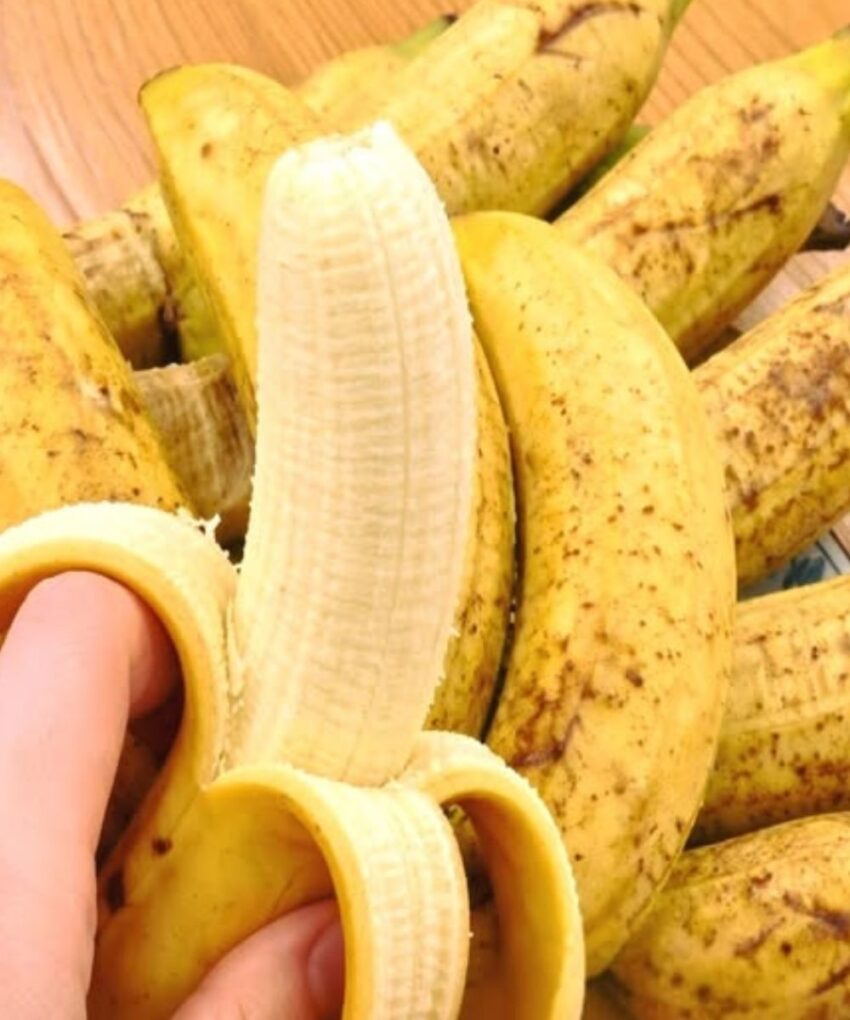
🍌 Saba Banana
The Saba banana (also called cardaba banana) is a sturdy, sweet cooking banana native to the Philippines. Unlike regular dessert bananas, Saba bananas are starchier and firmer, making them ideal for cooking rather than eating raw.
🥄 Characteristics
- Size & Shape: Short, thick, slightly angular compared to Cavendish bananas.
- Color: Green when unripe, yellow to dark brown when ripe.
- Taste: Sweet, slightly tangy when cooked; firm texture holds up to frying, boiling, or baking.
- Uses: Often called a “cooking banana” because it is less sweet raw but becomes flavorful when cooked.
🍴 Culinary Uses
- Boiled: Eaten as a snack or side, often dipped in sugar or served with peanut butter.
- Fried: Saba bananas are popular as banana chips or caramelized fritters.
- Stewed or Baked: Used in Filipino desserts like turon (banana spring rolls), minatamis na saging (sweet syruped bananas), and banana bread.
- Grilled: Makes a delicious dessert with a smoky flavor.
- Ingredient in savory dishes: Can be used in stews or added to soups for sweetness.
🍽️ Nutrition (per 100 g, boiled)
- Calories: ~122 kcal
- Carbohydrates: 31 g
- Fiber: 2–3 g
- Sugar: 14 g (natural sugar increases when cooked)
- Potassium: 500 mg
- Vitamin C: 8% of daily value
🌱 Tips
- Storage: Keep unripe Saba at room temperature. Refrigeration is only recommended when fully ripe.
- Cooking: Peel before boiling or frying; the peel is thicker than regular bananas.
- Substitute: If unavailable, plantains can sometimes be used in recipes requiring Saba.
Saba bananas are versatile, naturally sweet, and hearty, perfect for Filipino desserts, snacks, and baked goods.
I can also provide a simple recipe for caramelized Saba bananas or Saba banana fritters that’s quick and authentic. Do you want me to share that?
