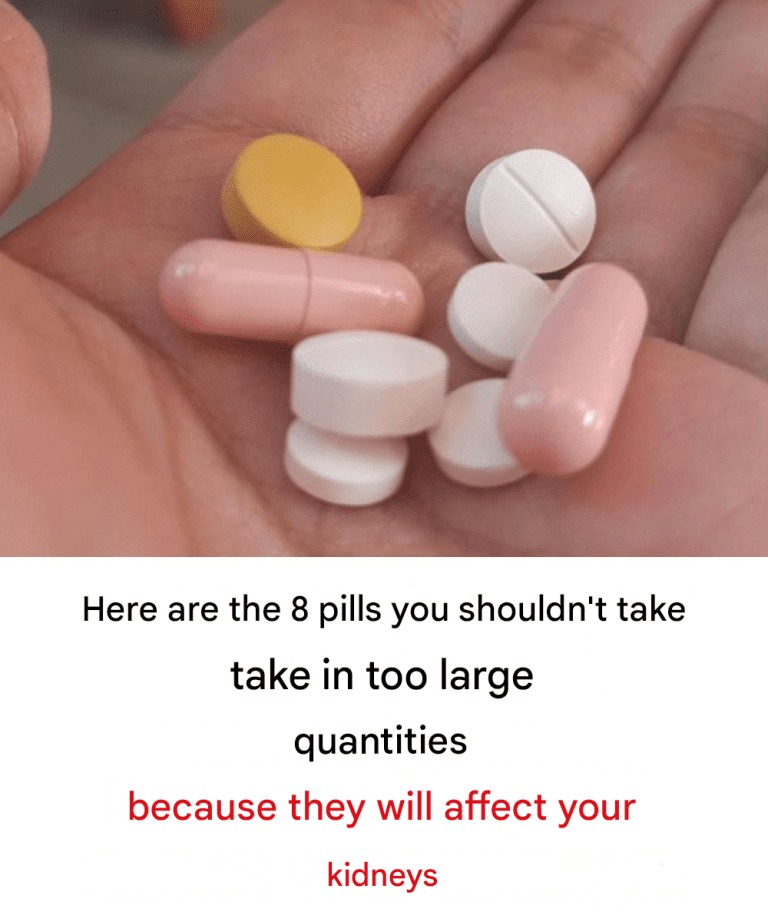
Certain medications can harm the kidneys or worsen kidney function, especially in people with pre-existing kidney disease, diabetes, high blood pressure, or dehydration. Here’s a comprehensive guide to pills and drug classes to be cautious with for kidney health:
💊 Common Medications That Can Affect the Kidneys
1️⃣ Non-Steroidal Anti-Inflammatory Drugs (NSAIDs)
- Examples: Ibuprofen, Naproxen, Diclofenac, Indomethacin
- How they affect kidneys: Reduce blood flow to the kidneys, potentially causing acute kidney injury, especially in older adults or those with kidney disease.
- Tip: Use lowest dose for shortest duration, or switch to acetaminophen (paracetamol) if pain relief is needed.
2️⃣ Certain Antibiotics
- Examples: Aminoglycosides (Gentamicin, Tobramycin), Vancomycin, Amphotericin B (antifungal)
- How they affect kidneys: Can be directly toxic to kidney tubules; risk increases with high doses or prolonged use.
- Tip: Kidney function tests are recommended during treatment.
3️⃣ Proton Pump Inhibitors (PPIs)
- Examples: Omeprazole, Lansoprazole, Esomeprazole
- How they affect kidneys: Long-term use linked to acute interstitial nephritis and chronic kidney disease in some studies.
- Tip: Use only when medically indicated and monitor kidney function if prolonged therapy is needed.
4️⃣ Diuretics (if misused)
- Examples: Furosemide, Hydrochlorothiazide, Spironolactone
- How they affect kidneys: Can cause dehydration and electrolyte imbalances, reducing kidney perfusion.
- Tip: Monitor electrolytes and kidney function regularly, especially in older adults.
5️⃣ Certain Blood Pressure Medications (ACE inhibitors and ARBs)
- Examples: Lisinopril, Enalapril, Losartan, Valsartan
- How they affect kidneys: Usually protective in chronic kidney disease, but can increase potassium and creatinine if kidneys are already compromised.
- Tip: Kidney function should be monitored after starting or increasing dose.
6️⃣ Contrast Agents in Imaging
- Examples: Iodinated contrast for CT scans or angiography
- How they affect kidneys: Can cause contrast-induced nephropathy, especially in people with pre-existing kidney disease or diabetes.
- Tip: Stay well-hydrated, and alternatives may be considered.
7️⃣ Some Pain and Cold Medications
- Combinations containing NSAIDs plus decongestants (pseudoephedrine) can stress kidneys and raise blood pressure.
- Tip: Check labels carefully, especially multi-symptom cold meds.
⚠️ Tips for Protecting Kidneys When Taking Medications
- Stay hydrated unless restricted by a doctor.
- Monitor kidney function with blood tests (creatinine, eGFR) if on long-term medications.
- Avoid combining multiple nephrotoxic drugs without medical supervision.
- Adjust doses in patients with reduced kidney function — many drugs need modification.
- Consult a doctor or pharmacist before starting over-the-counter meds if you have kidney disease.
If you want, I can make a quick-reference table of common drugs and how risky they are for kidneys, so it’s easy to check before taking anything.
Do you want me to make that table?
