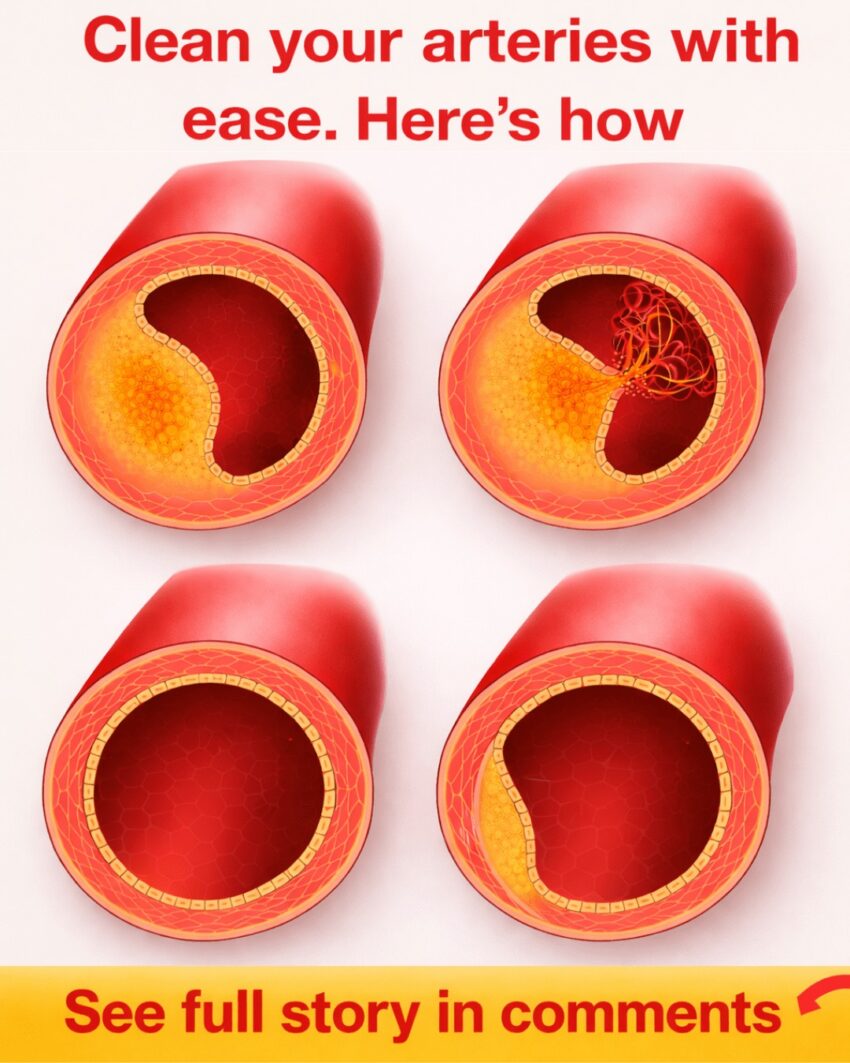
Atherosclerosis is a type of arterial disease where the arteries become narrowed and hardened due to a buildup of fatty deposits, cholesterol, and other substances, called plaques. This process restricts blood flow and can lead to serious cardiovascular problems.
Key Facts
- Affected arteries: Can occur in any artery but is most dangerous in the coronary arteries (heart), carotid arteries (neck/brain), and peripheral arteries (legs).
- Plaque formation: Fat, cholesterol, calcium, and cellular waste accumulate on the arterial walls.
- Hardening and narrowing: Plaques make arteries stiff and less elastic, reducing blood flow.
Risk Factors
- High LDL cholesterol (“bad” cholesterol)
- High blood pressure
- Smoking or tobacco use
- Diabetes
- Obesity
- Sedentary lifestyle
- Family history of heart disease
Symptoms
Often develops silently over years. Symptoms depend on which arteries are affected:
- Coronary arteries: Chest pain (angina), shortness of breath, heart attack
- Carotid arteries: Stroke, dizziness, numbness
- Peripheral arteries: Leg pain, numbness, slow-healing wounds
Complications
- Heart attack
- Stroke
- Peripheral artery disease (PAD)
- Aneurysm (weakening of artery walls)
Diagnosis
- Blood tests (cholesterol, triglycerides, blood sugar)
- Ultrasound of arteries
- CT or MRI angiography
- Stress tests for heart function
Treatment & Prevention
- Lifestyle changes
- Heart-healthy diet: fruits, vegetables, whole grains, lean proteins
- Regular exercise (150 min/week moderate)
- Quit smoking
- Maintain healthy weight
- Medications
- Statins to lower cholesterol
- Blood pressure medications
- Antiplatelet drugs (like aspirin) to prevent clots
- Procedures (if severe)
- Angioplasty and stent placement
- Bypass surgery
Bottom line: Atherosclerosis is a chronic arterial disease that develops slowly but can have life-threatening complications. Early detection and lifestyle changes are critical to prevent heart attacks, strokes, and other issues.
If you want, I can make a simple diagram showing how atherosclerosis develops in arteries, which makes it easier to visualize how plaques form and block blood flow. Do you want me to do that?
