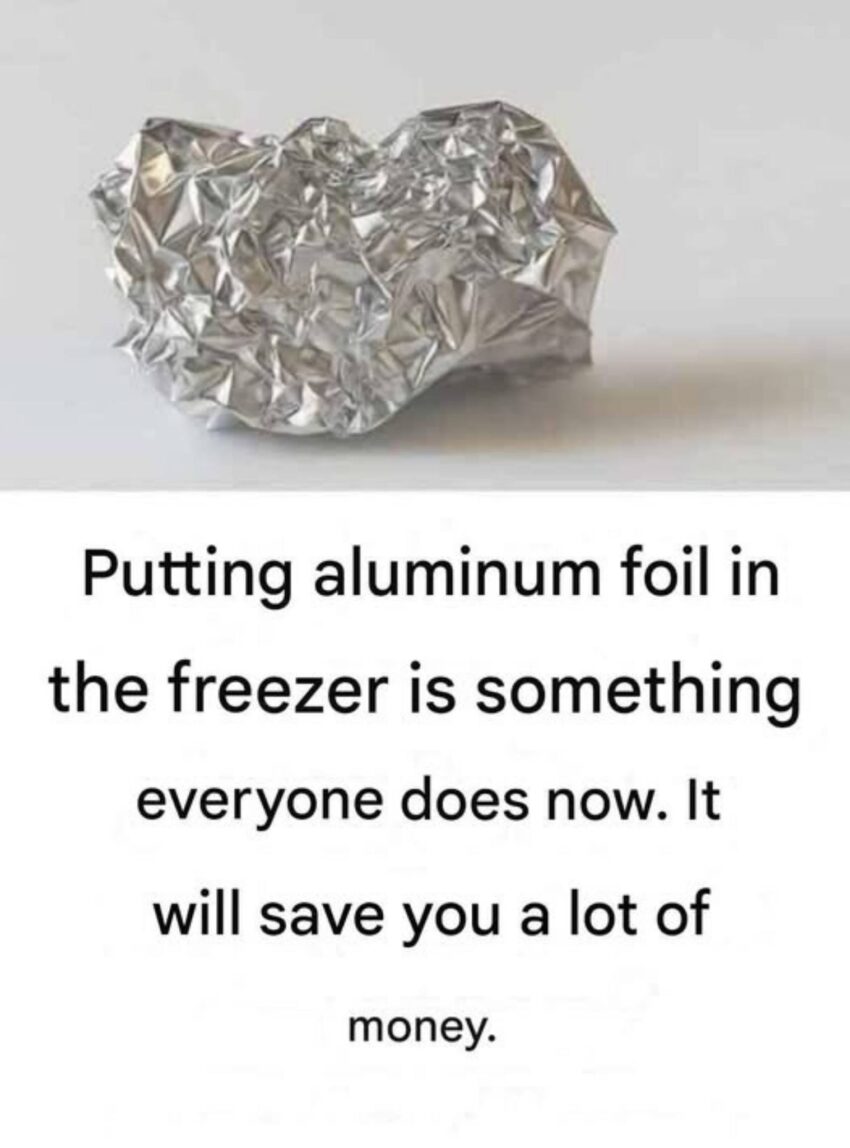
🏭 Aluminum Foil
Aluminum foil is a thin sheet of aluminum metal, typically less than 0.2 mm thick, widely used in cooking, packaging, insulation, and industrial applications.
🌟 Key Characteristics
- Lightweight and flexible
- Non-toxic and corrosion-resistant
- Can be easily molded, folded, or wrapped
- Excellent barrier to light, oxygen, moisture, and bacteria
🍽️ Common Uses in Cooking
- Wrapping food for baking or grilling
- Lining baking trays for easier cleanup
- Covering dishes to retain moisture or heat
- Wrapping sandwiches or leftovers for storage
🏭 Other Uses
- Industrial: Insulation, electrical conductors, and reflective surfaces
- Household: Protecting surfaces during painting, craft projects, or gardening
- Medical: Packaging sterile instruments
💡 Tips
- Avoid direct contact with acidic foods (tomatoes, citrus) for long periods — aluminum can react with acids and affect taste.
- Reuse when clean to reduce waste, but avoid crumpled foil for delicate tasks.
- For grilling, shiny side vs. dull side has minimal difference in cooking, but shiny side reflects heat slightly more.
If you want, I can also explain the environmental aspects of aluminum foil and ways to recycle or reuse it safely at home.
