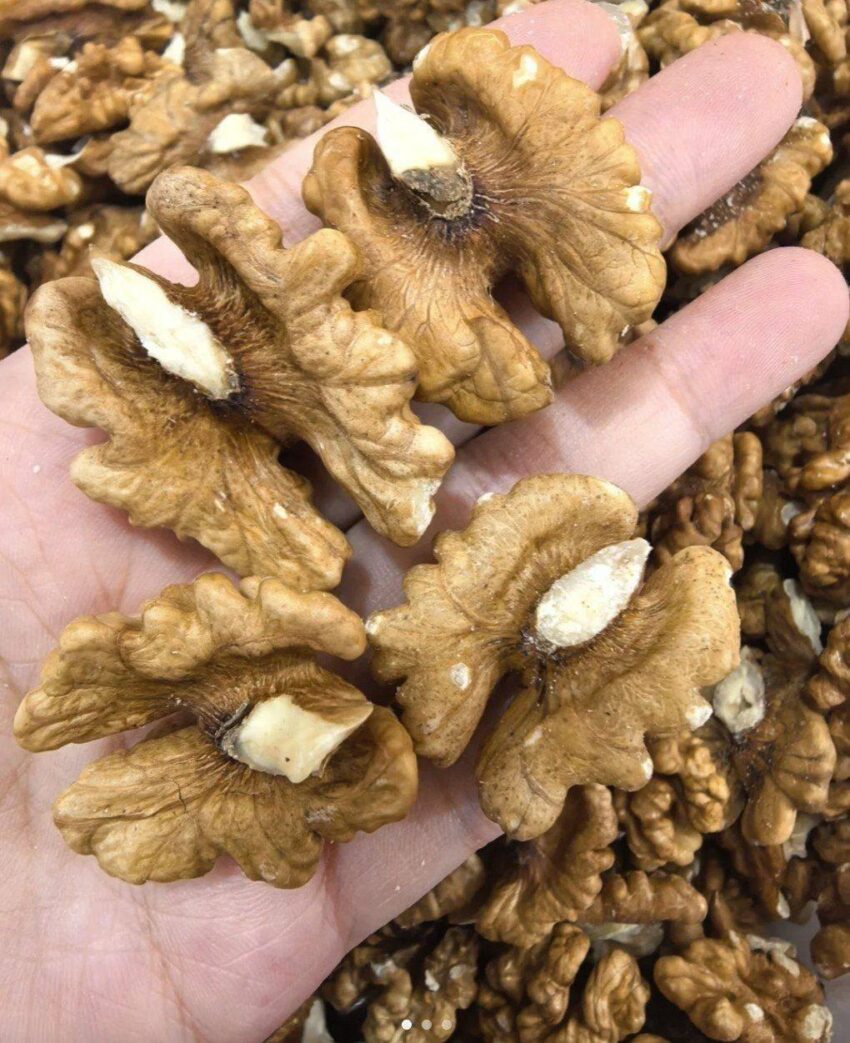
Here’s a detailed overview of the English walnut:
What English Walnut Is
- Scientific Name: Juglans regia
- Also Known As: Common walnut, Persian walnut
- Origin: Native to regions of Central Asia and the Middle East, now widely cultivated worldwide
- Appearance: Oval-shaped nut with a light brown, textured shell and a wrinkled, cream-colored kernel inside
Nutritional Benefits
English walnuts are highly nutritious and considered a superfood for their rich content of healthy fats, proteins, and micronutrients:
- Healthy Fats: High in omega-3 fatty acids (ALA)
- Protein & Fiber: Supports muscle and digestive health
- Vitamins & Minerals:
- Vitamin E
- B vitamins (especially B6 and folate)
- Magnesium, phosphorus, and copper
- Antioxidants: Polyphenols that help reduce oxidative stress
Health Benefits
- Heart Health:
- Omega-3s help lower bad cholesterol (LDL) and support cardiovascular function.
- Brain Health:
- Nutrients in walnuts, like vitamin E and polyphenols, may improve cognitive function.
- Weight Management:
- Despite being calorie-dense, walnuts can aid in satiety and reduce overeating.
- Anti-Inflammatory Properties:
- Antioxidants help combat inflammation in the body.
Culinary Uses
- Eaten raw or roasted as a snack
- Added to salads, oatmeal, or yogurt for crunch and nutrition
- Used in baking: cakes, cookies, and breads
- Incorporated into savory dishes: pesto, sauces, or stir-fries
Storage Tips
- Store in an airtight container in a cool, dark place
- Refrigeration extends shelf life and prevents the nuts from turning rancid
- Can also be frozen for long-term storage
If you want, I can also provide a quick recipe for a walnut-based dessert or salad that really highlights the flavor of English walnuts.
Do you want me to do that?
