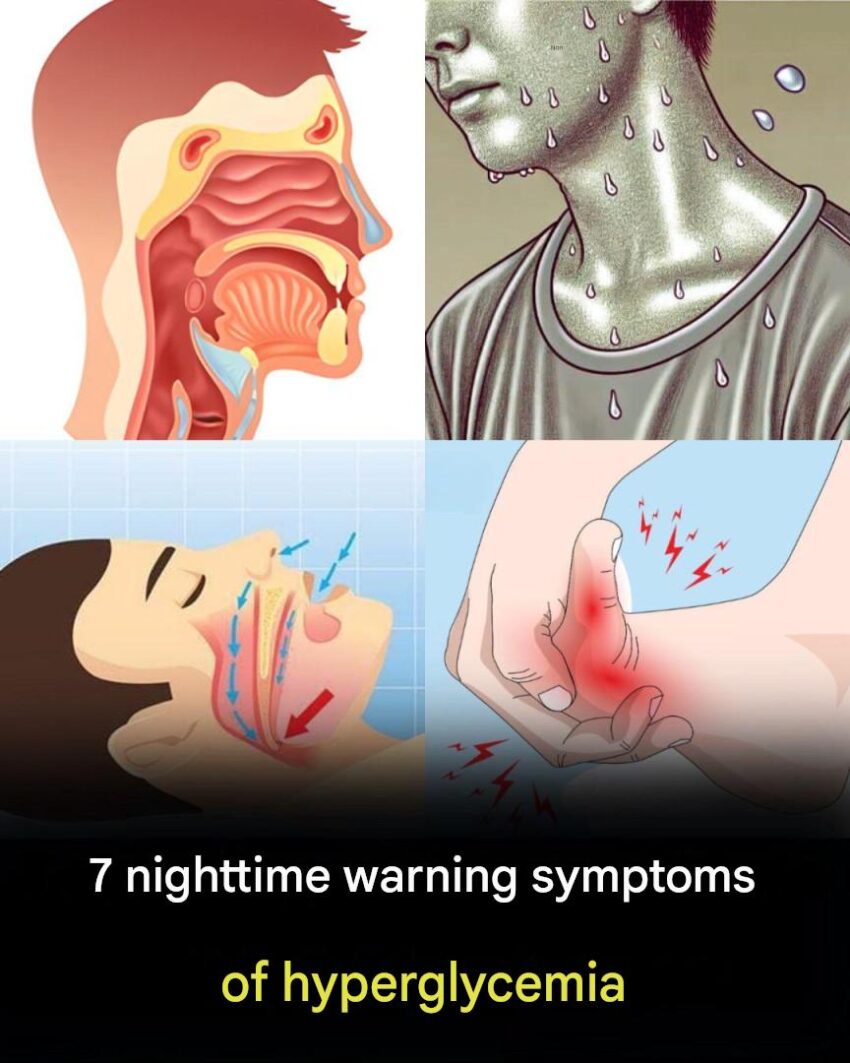
High blood sugar (hyperglycemia), especially when it’s persistent or severe, can show warning signs in how you feel, think, and even how your body functions. Some symptoms are mild at first, but others can become serious if ignored.
⚠️ Early warning signs of high blood sugar
💧 1. Excessive thirst (polydipsia)
You feel constantly thirsty even after drinking water.
🚽 2. Frequent urination (polyuria)
- Going to the bathroom much more than usual
- Especially waking up at night to urinate
🍽️ 3. Increased hunger
Even after eating, you still feel hungry because glucose isn’t entering cells properly.
🧠 Body and energy changes
😴 4. Fatigue and weakness
Cells aren’t getting enough energy, so you feel unusually tired.
👁️ 5. Blurred vision
High glucose can affect fluid balance in the eyes.
🧠 6. Difficulty concentrating
Sometimes called “brain fog.”
⚠️ More concerning signs (worsening hyperglycemia)
⚖️ 7. Unexplained weight loss
Body starts breaking down fat and muscle for energy.
🩹 8. Slow healing wounds
Cuts or infections take longer to heal.
🦠 9. Frequent infections
Especially skin, gum, or urinary tract infections.
🧴 10. Dry mouth and dry skin
🚨 Dangerous (seek urgent medical help)
These may indicate severe hyperglycemia or diabetic ketoacidosis (DKA):
- Nausea or vomiting
- Stomach pain
- Fruity or acetone breath
- Rapid breathing
- Confusion or drowsiness
🧬 Related condition
Persistent high blood sugar is often linked with Diabetes Mellitus, especially type 2 diabetes, where the body becomes resistant to insulin or doesn’t produce enough of it.
🧾 Bottom line
Early signs often start with:
thirst + frequent urination + fatigue
But the condition can progress silently, so regular testing matters—especially if you have risk factors like:
- family history of diabetes
- overweight
- low physical activity
- high-sugar diet
If you want, I can also explain how to quickly tell the difference between high and low blood sugar symptoms, since they can feel confusingly similar at first.
