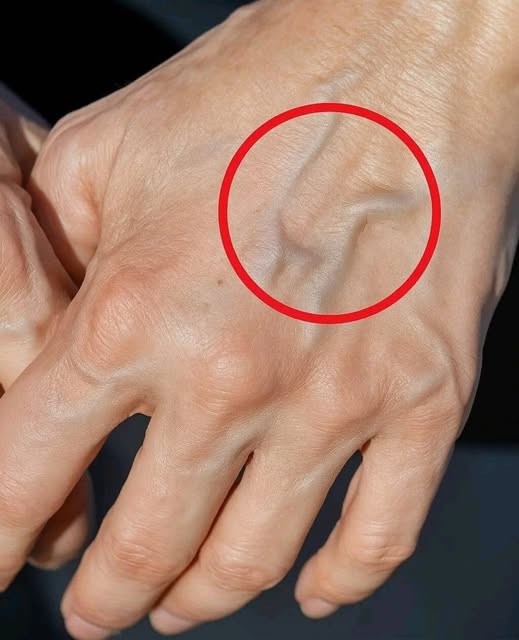
Visible Veins: What They Mean and Why You Might Notice Them on Your Body
Seeing veins more clearly on your arms, hands, legs, or chest is very common. For most people, visible veins are normal and harmless, but sometimes they can also reflect changes in body fat, circulation, or overall health.
This guide explains why veins become visible, when it’s normal, and when it may need medical attention.
Why Veins Become Visible in the First Place
Veins carry blood back to the heart. Normally, they are not very noticeable under the skin. However, several factors can make them stand out more:
1. Low body fat percentage
When there is less fat under the skin, veins naturally appear more visible.
- Common in athletes or lean individuals
- Often seen in arms, hands, and legs
- Usually completely normal
2. Exercise and increased blood flow
During or after physical activity, blood circulation increases.
- Veins may look larger or more prominent
- This is temporary and fades with rest
- Often called “vascular pump” in fitness settings
3. Hot weather
Heat causes blood vessels to expand to help cool the body.
- Veins become more visible
- Especially in arms and legs
- Returns to normal in cooler temperatures
4. Aging and thinner skin
As people age, skin becomes thinner and loses elasticity.
- Veins show more easily
- This is a natural part of aging
- Common in hands and forearms
5. Genetics
Some people naturally have more visible veins.
- Runs in families
- Not related to disease
- Present from a young age in some cases
Medical Causes of Prominent Veins (Less Common)
In some situations, visible veins may be linked to underlying conditions.
6. Varicose Veins
This occurs when veins become enlarged and weakened.
Signs include:
- Bulging, twisted veins (usually legs)
- Aching or heaviness in legs
- Swelling after standing long hours
7. Poor circulation
When blood flow is not efficient, veins may become more noticeable.
- Often linked with long standing or sitting
- May cause swelling or discomfort
8. Hormonal changes
Hormones can affect blood vessel appearance.
- Pregnancy may increase vein visibility
- Hormonal fluctuations can temporarily change circulation
9. Dehydration
When the body is low on fluids:
- Skin becomes tighter
- Veins may look more prominent
- Usually improves with hydration
10. High body temperature or fever
Heat increases blood flow to the skin.
- Veins may stand out more temporarily
- Usually resolves when temperature normalizes
When Visible Veins Are Normal
Visible veins are usually harmless if:
- They appear after exercise
- They are linked to low body fat
- They come and go with temperature changes
- There is no pain or swelling
When You Should Be Concerned
You should see a doctor if visible veins are accompanied by:
- Pain or heaviness in limbs
- Swelling, especially in one leg
- Skin discoloration
- Sudden changes in vein size or shape
- Warmth or redness over a vein
These may indicate circulation issues or vein disease.
Simple Ways to Support Healthy Veins
- Stay physically active (walking improves circulation)
- Drink enough water
- Avoid sitting or standing for long periods
- Elevate legs when resting
- Maintain a healthy weight
Final Thought
Visible veins are often just a normal part of body structure, fitness level, or aging. However, if they appear suddenly or come with discomfort, it’s important to get them checked.
Source Note
This explanation is based on general medical knowledge from vascular health, dermatology, and circulation physiology, commonly referenced in public health education and clinical guidelines related to vein function and circulatory conditions.
If you want, I can also turn this into:
- a viral “doctor explains veins” YouTube script
- a SEO blog post with high-ranking keywords
- or a myth vs fact social media post 👍
