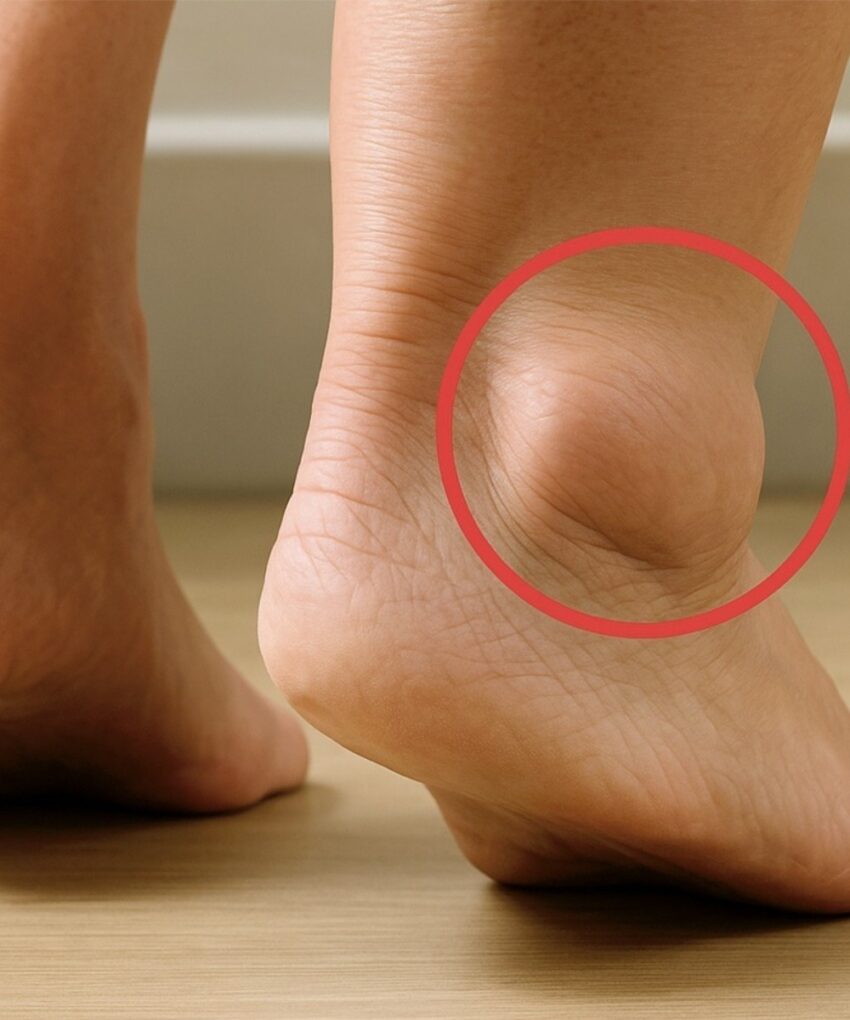
That kind of headline (“If your feet are swollen, it is a clear sign that…”) is designed to create fear, but medically it’s incomplete. Swollen feet (edema) is a symptom, not a diagnosis, and it can have many different causes—some mild, some serious.
Here’s what it can actually mean:
If Your Feet Are Swollen: What It May Indicate (Doctors Explain)
Swelling in the feet, ankles, or lower legs happens when fluid builds up in the tissues. This is called edema.
It can be caused by something simple like standing too long—or something more serious involving the heart, kidneys, or circulation.
1. Long Standing or Sitting (Most Common Cause)
If you spend many hours sitting or standing, gravity causes fluid to collect in the lower legs.
Typical signs:
- Mild swelling in both feet
- Improves after rest or elevation
- No pain or other symptoms
This is usually harmless.
2. Chronic Venous Insufficiency
This happens when leg veins don’t return blood to the heart efficiently.
Possible symptoms:
- Swelling in ankles and feet
- Heaviness or aching legs
- Visible varicose veins
- Worse swelling at the end of the day
3. Heart-Related Problems
When the heart doesn’t pump effectively, fluid can build up in the body.
A serious condition linked to this is Congestive Heart Failure.
Warning signs:
- Swelling in both feet or legs
- Shortness of breath
- Fatigue
- Rapid weight gain from fluid retention
4. Kidney Problems
The kidneys help regulate fluid balance. When they are not working properly, fluid may accumulate.
Possible signs:
- Swelling in feet, ankles, or face
- Changes in urination
- Fatigue
5. Liver Conditions
Liver disease can also lead to fluid buildup in the lower body.
May include:
- Swollen legs or abdomen
- Weakness
- Yellowing of skin or eyes in severe cases
6. Medications
Some medicines can cause fluid retention as a side effect.
Common types include:
- Blood pressure medications
- Steroids
- Certain diabetes drugs
7. Injury or Infection
A sprain, strain, or localized infection can cause swelling in one foot or ankle.
Signs:
- Pain in one area
- Redness or warmth
- Swelling limited to one side
When Foot Swelling Is More Serious
Seek medical attention if swelling is:
- Sudden or severe
- Only in one leg (especially with pain)
- Accompanied by chest pain or breathlessness
- Persistent without improvement
Simple Relief Tips (For Mild Cases)
- Elevate your feet above heart level
- Reduce salt intake
- Move or walk regularly
- Wear comfortable footwear
- Stay hydrated
Important Reality Check
Swollen feet are not automatically a sign of a dangerous disease, but they can sometimes be an early warning sign of underlying health problems. That’s why persistent swelling should not be ignored.
Source Note
This explanation is based on general clinical knowledge from cardiovascular, kidney, and vascular health guidelines related to peripheral edema, circulation disorders, and systemic fluid retention conditions commonly referenced in medical education resources.
If you want, I can also turn this into:
- a viral Facebook warning post (SEO optimized),
- a YouTube “doctor explains” script,
- or a simple infographic-style breakdown.
