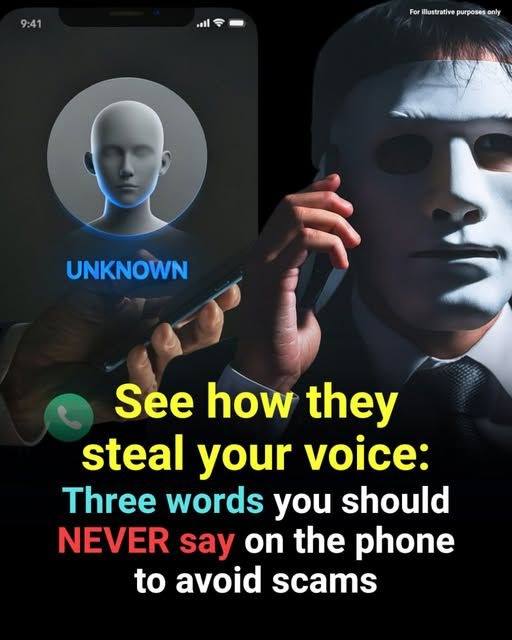
That headline is alarmist and partly misleading. Phone scams are real, but there are no “3 magic words” that automatically cause your voice to be stolen or hacked.
🎯 What the claim is referring to
It’s usually mixing real scam concerns with hype about:
- voice cloning (AI copying your voice)
- phone fraud calls
- social engineering tricks
☎️ Real risk: voice scams (but not “magic words”)
Scammers may try to:
- record your voice saying simple phrases like “yes” or “I agree”
- use that recording as fake “consent” in scams (limited real-world success)
- impersonate you with AI voice tools (usually needs longer samples, not 3 words)
❌ The “NEVER say these 3 words” myth
Posts often claim words like:
- “Yes”
- “Okay”
- “Hello”
👉 In reality, these words alone do not give scammers control of your phone or identity.
🛡️ What actually protects you
Instead of worrying about specific words, do this:
- Don’t share personal info (CNIC, bank details, OTP codes)
- Hang up on suspicious calls
- Don’t follow instructions from unknown callers
- Verify through official numbers
- Be cautious with urgent or threatening messages
🧠 Bottom line
Scams rely on tricking you into giving information, not on stealing power from specific words.
If you want, I can explain the most common phone scams in Pakistan and how to recognize them quickly.
