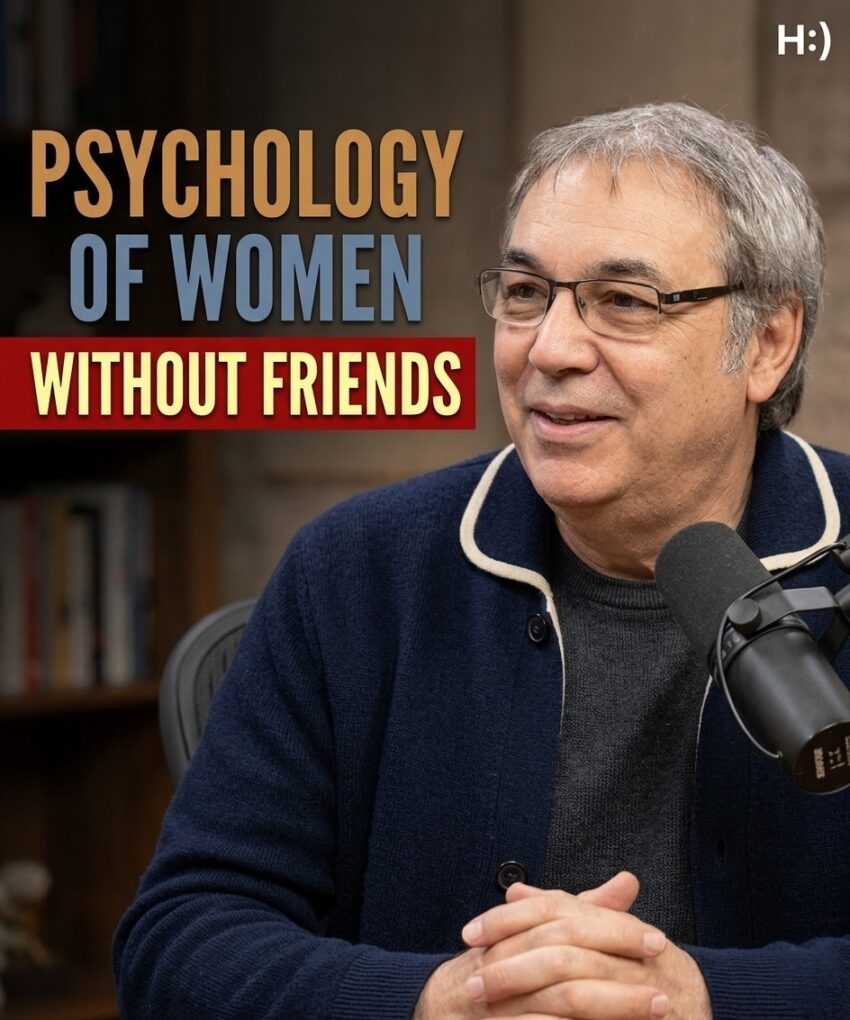
It’s a mistake to treat “women without friends” as a single psychological type. There isn’t one profile or hidden rule that explains it. What you can look at are the common factors that sometimes lead anyone—women included—to have few or no close friendships.
One big factor is life circumstances. Moving cities, demanding work, caregiving responsibilities, or restrictive social environments can shrink someone’s social circle without reflecting anything about their personality. In some cultures, women also face tighter social expectations, which can limit opportunities to form or maintain friendships.
Then there’s social experience and trust. Someone who’s had repeated conflict, betrayal, or exclusion may become more guarded. Over time, that can look like “choosing to be alone,” but it’s often a protective response rather than a preference.
Mental health plays a role too. Conditions like Social Anxiety Disorder or Depression can reduce motivation, energy, and confidence in social settings. That can make maintaining friendships feel exhausting or even pointless, even if the person actually wants connection.
There’s also personality variation. Some people are naturally more introverted or selective. Having one or two close relationships—or even none at a given time—doesn’t automatically mean something is wrong. The key difference is whether the person feels okay with it or feels isolated and distressed.
Another angle is self-perception and social comparison. If someone believes they’re “bad at friendships” or doesn’t feel valued, they may withdraw, which can reinforce the situation. It becomes a loop: less interaction → more self-doubt → even less interaction.
And importantly, some women without friends are simply in a temporary phase. Social networks aren’t static—they expand and contract across different stages of life.
If you’re asking from a personal angle, the useful question isn’t “what’s wrong with someone in this situation,” but “is this state chosen, neutral, or painful?” The answer to that changes what it means—and what, if anything, should change.
