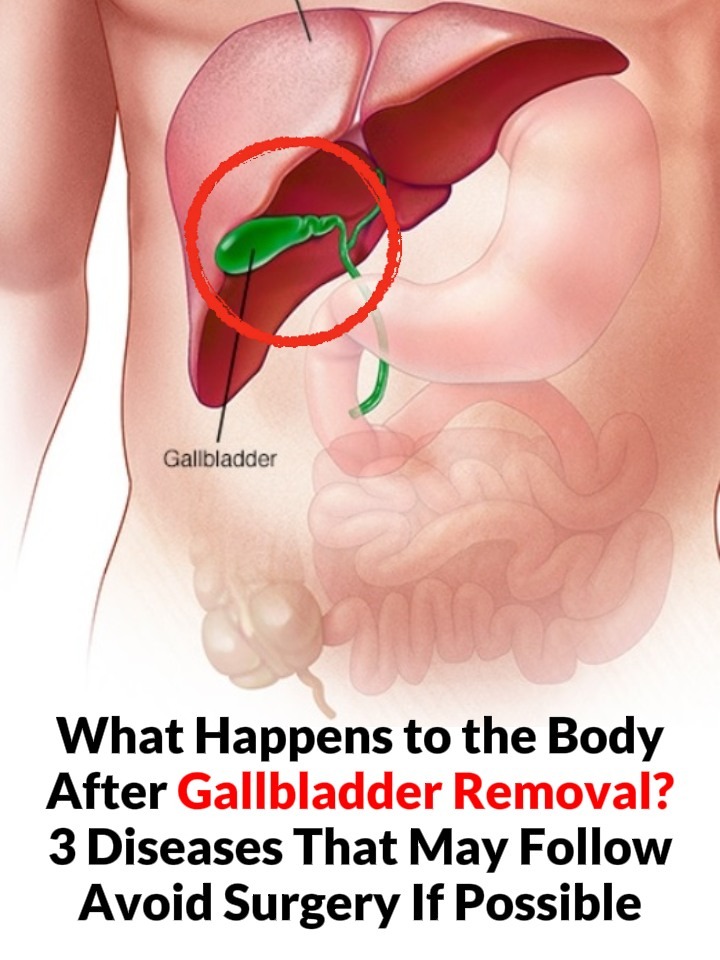
Gallbladder removal (cholecystectomy) is a very common surgery, and for most people it significantly improves symptoms caused by gallstones. The body can function without a gallbladder, but digestion does change because bile flow is no longer stored and released in a “measured burst.”
What changes after gallbladder removal
Normally, the gallbladder stores bile and releases it when you eat fatty food. After removal:
- Bile flows continuously from the liver into the intestine
- There’s less control over fat digestion timing
- Some people experience temporary digestive adjustment
Most people adapt within weeks to months and live completely normal lives.
Conditions that may occur afterward (not everyone gets them)
1. Postcholecystectomy syndrome (PCS)
This is a general term for ongoing symptoms after surgery, such as:
- Bloating
- Abdominal discomfort
- Indigestion or nausea
It doesn’t always mean something dangerous—sometimes it’s temporary, sometimes it’s due to another digestive issue that was already present.
2. Bile acid diarrhea
Because bile flows continuously into the intestines:
- Some people get loose stools or urgency
- It’s usually manageable with diet or medication (like bile acid binders)
3. Gastritis or bile reflux (less common)
In some cases:
- Bile can irritate the stomach lining
- This may cause burning, nausea, or reflux-like symptoms
Important reality check on “Avoid surgery if possible”
That statement is not universally correct.
Gallbladder removal is recommended when there are:
- Recurrent gallstone attacks
- Infection (cholecystitis)
- Blocked bile ducts
- Pancreatitis caused by gallstones
If these conditions are present, avoiding surgery can be more dangerous than doing it, because complications can become severe or life-threatening.
Bottom line
- Most people do very well after gallbladder removal
- A minority develop manageable digestive symptoms
- Surgery is usually recommended when medical risks outweigh long-term dietary changes
If you want, tell me your situation (symptoms, diagnosis, or why surgery was suggested), and I can help you understand whether it’s typically considered necessary or if there are non-surgical options in that specific case.
