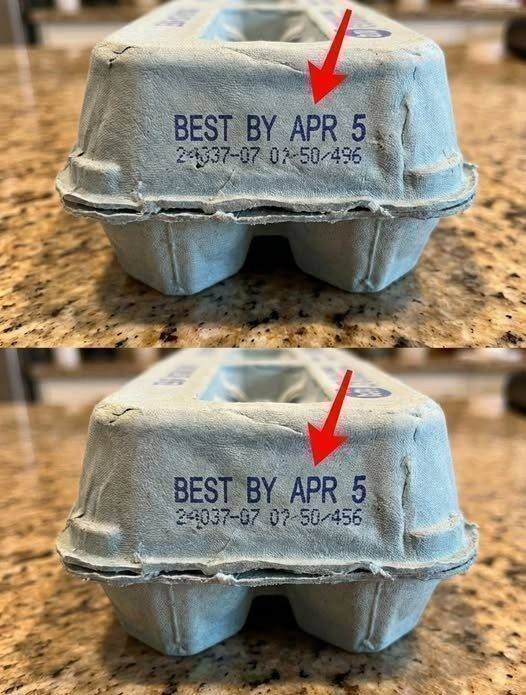
Egg expiration dates matter mainly for food safety and quality control, but they don’t always mean the egg instantly becomes unsafe on that exact date.
Here’s a clear breakdown:
🥚 1. What egg dates actually mean
On egg cartons you may see:
- “Best before” / “Use by” date
- This is about quality, not strict safety
- Eggs may still be edible for a short time after this date if stored properly
- Packaging date (less common in some countries)
- Shows when eggs were packed
- Helps estimate freshness
🦠 2. Why expiration dates are important
They help reduce risk of:
- Salmonella infection
- A bacteria that can grow in unsafe or old eggs
- Spoiled eggs that may cause stomach upset
- Eating low-quality eggs (bad taste, smell, texture)
🧊 3. Storage and safety still matter more
Even before the date, eggs can spoil if:
- Not refrigerated properly
- Cracked or damaged
- Exposed to heat for long periods
Properly stored eggs in the fridge can often stay safe for 2–4 weeks after purchase.
👃 4. Simple freshness tests
You can check eggs at home:
🥤 Water test
- Sink = fresh
- Stand upright = older but okay
- Float = likely spoiled ❌
🧠 Smell test
- Rotten smell = discard immediately
⚠️ 5. Why you should still respect dates
Even if eggs look fine, bacteria like Salmonella don’t always change smell or appearance. Dates help reduce guesswork.
✔️ Bottom line
Egg expiration dates are important because they:
- Guide safe consumption timing
- Help prevent food poisoning
- Maintain best taste and quality
If you want, I can also explain how long eggs last in Pakistan’s weather or without a fridge—that changes things a lot.
