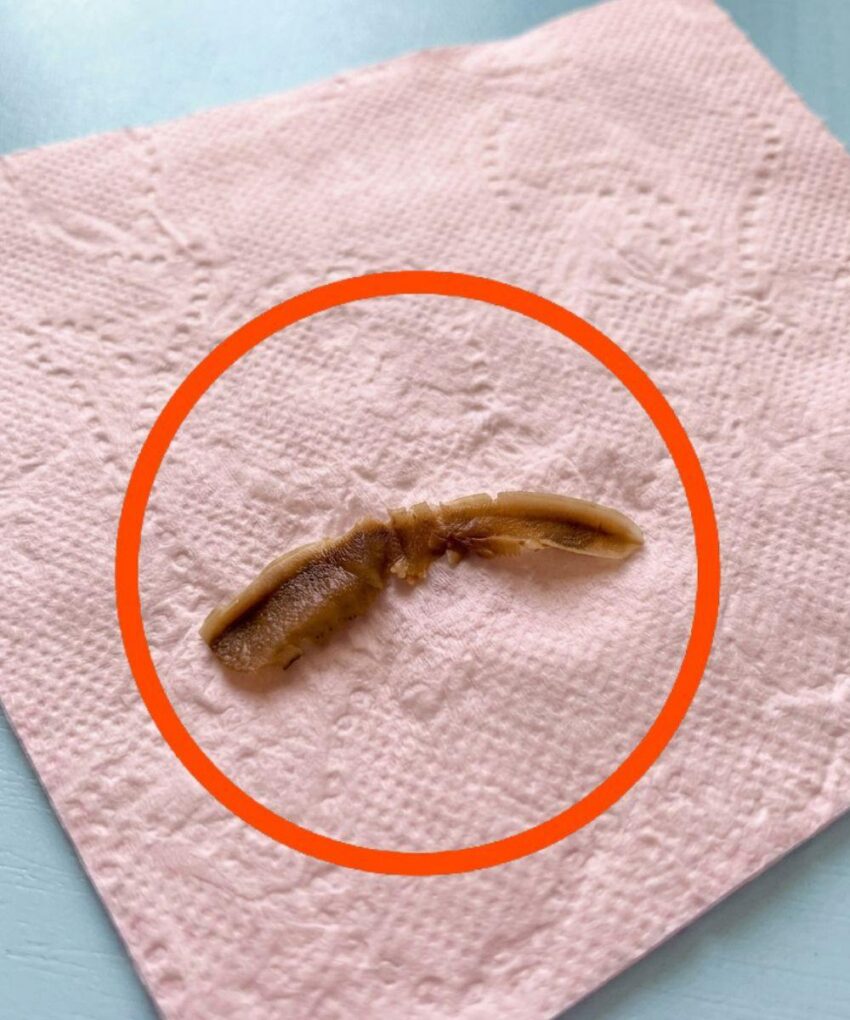
Parasitism is a type of biological relationship where one organism benefits and the other is harmed.
Parasitism
🪱 What it means (simple idea)
In parasitism:
- The parasite lives on or inside another organism (the host)
- The parasite benefits (gets food or shelter)
- The host is harmed (loses nutrients, energy, or health)
🧬 Examples of parasitism
1. Intestinal worms in humans
- Worms live in the gut and absorb nutrients
- Can cause weakness or malnutrition
2. Mosquitoes
- Female mosquitoes feed on blood
- Can spread diseases like malaria
3. Tapeworms in animals
- Live in intestines of humans or livestock
- Steal nutrients from food
4. Lice on humans
- Live on the scalp or body
- Feed on blood and cause itching
🌿 Types of parasitism
- Ectoparasites → live on the outside (lice, ticks)
- Endoparasites → live inside the body (worms, protozoa)
⚖️ Why it matters in nature
Parasitism:
- Helps regulate populations in ecosystems
- Drives evolution (hosts develop defenses, parasites adapt)
🧠 Simple comparison
- Mutualism → both benefit
- Commensalism → one benefits, other unaffected
- Parasitism → one benefits, other is harmed
👍 Bottom line
Parasitism is a natural relationship where one organism survives by living off another at its expense.
If you want, I can also explain how parasites enter the human body and how the immune system fights them in a simple way.
