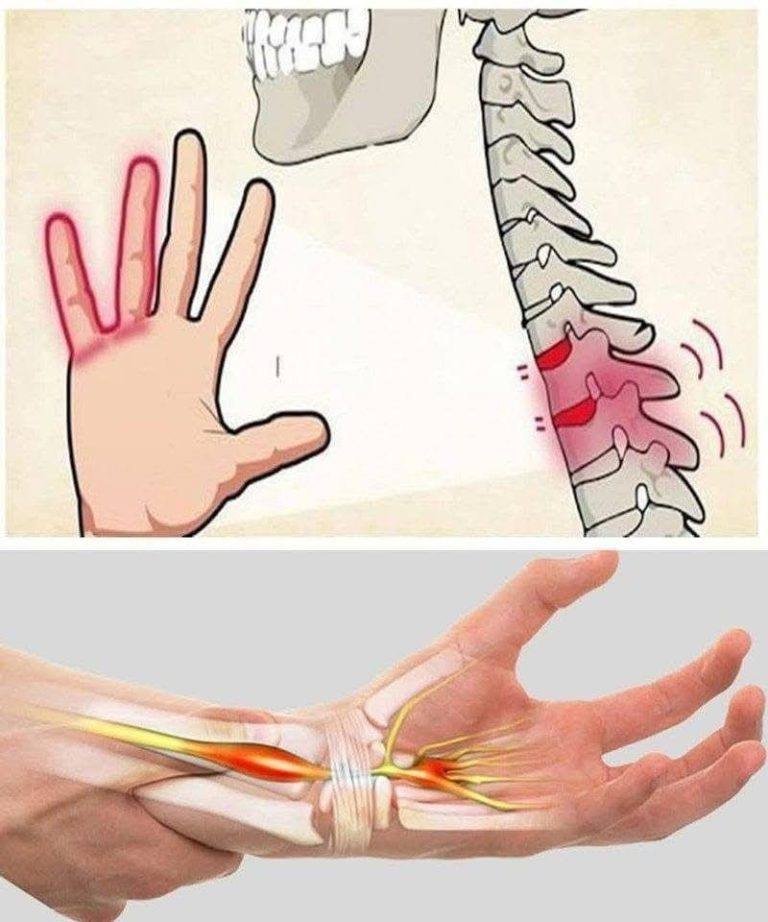
Carpal tunnel syndrome is a condition that affects the hand and wrist when a major nerve gets compressed.
What it is
Carpal tunnel syndrome happens when the median nerve (which runs through a narrow passage in the wrist called the carpal tunnel) becomes squeezed.
Carpal tunnel syndrome
Common symptoms
It usually develops gradually. Signs include:
- Numbness or tingling in the thumb, index, middle, and part of the ring finger
- Hand weakness (dropping things easily)
- Pain or burning in the wrist or palm
- Symptoms worse at night or early morning
- Relief when shaking or moving the hand
Common causes / risk factors
- Repetitive hand movements (typing, assembly work, phone use)
- Prolonged wrist bending (especially while sleeping or working)
- Pregnancy (temporary swelling)
- Diabetes or thyroid disorders
- Wrist injuries or arthritis
- Genetics (some people naturally have a narrower tunnel)
When to be concerned
See a doctor if:
- Numbness lasts more than a few weeks
- You have weakness or muscle loss in the thumb area
- Symptoms are interfering with daily tasks
Treatment options
Depends on severity:
Mild cases
- Wrist splints (especially at night)
- Rest and activity changes
- Anti-inflammatory medications
Moderate cases
- Steroid injections to reduce swelling
Severe cases
- Minor surgery to relieve pressure on the nerve (very effective in most cases)
Bottom line
Carpal tunnel syndrome is common and treatable, especially when caught early. It’s usually caused by pressure on a nerve in the wrist—not permanent damage if managed properly.
If you want, tell me your symptoms and I can help you figure out if it really sounds like carpal tunnel or something else like tendonitis or nerve irritation.
