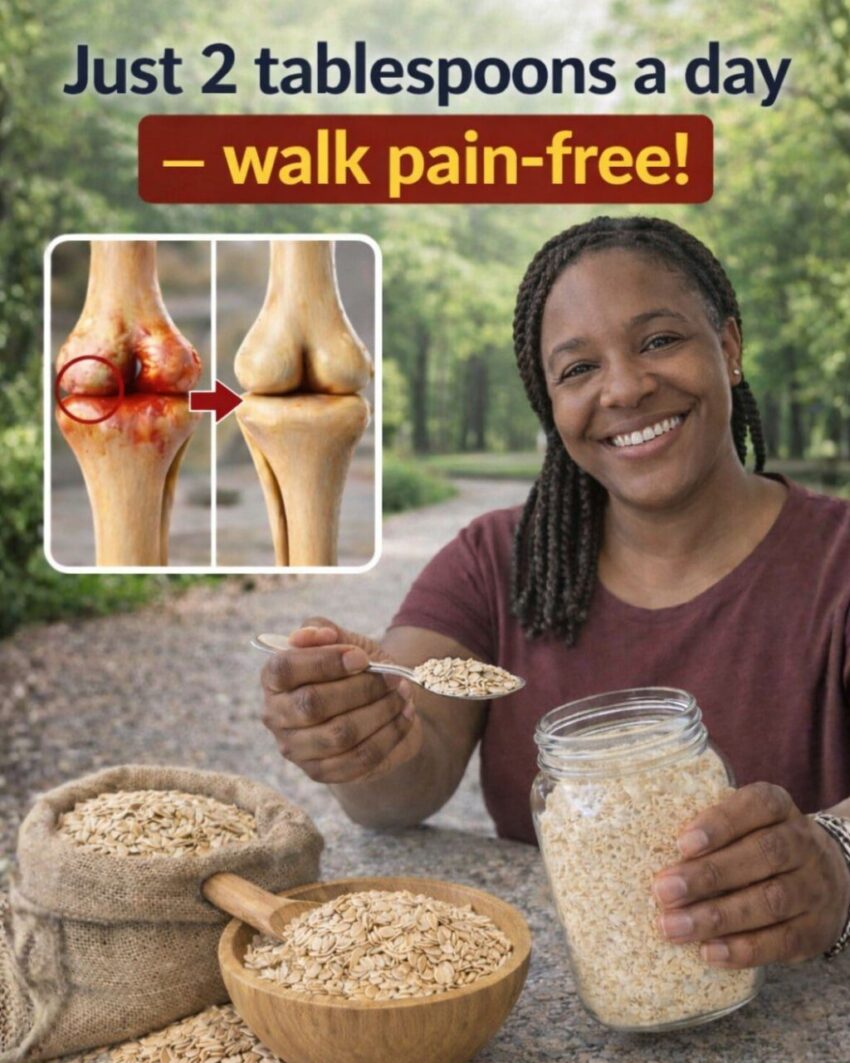
That claim is also exaggerated.
“2 tablespoons of beet juice + walk pain-free” is a typical wellness slogan that mixes a small real effect with an unrealistic promise.
What beet juice can realistically do
Beet juice contains nitrates that can:
- Slightly improve blood flow
- May modestly reduce blood pressure
- In some studies, improve exercise endurance a little
So yes, some people might feel a small improvement in stamina when exercising.
What it does NOT do
Beet juice does not:
- Cure joint pain or arthritis
- Repair knees, cartilage, or spine issues
- Guarantee “pain-free walking”
- Replace medical treatment, physiotherapy, or weight management
If someone has pain while walking, common real causes include:
- Knee osteoarthritis
- Sciatica or nerve compression
- Plantar fasciitis (heel pain)
- Muscle weakness or deconditioning
- Excess body weight or joint strain
Those conditions need targeted management, not a food “fix.”
About the “2 tablespoons” claim
There’s nothing scientifically special about that amount. Research studies usually use:
- Actual beet juice servings (100–500 ml), or
- Beetroot concentrate in controlled doses
Not a universal “2 tablespoons cures walking pain” rule.
Bottom line
Beet juice can be a small supportive dietary addition, but it is not a pain treatment. If walking is painful, the cause needs proper evaluation rather than relying on viral health shortcuts.
If you want, tell me the type of pain (knee, heel, back, etc.), and I can break down what actually helps based on evidence.
