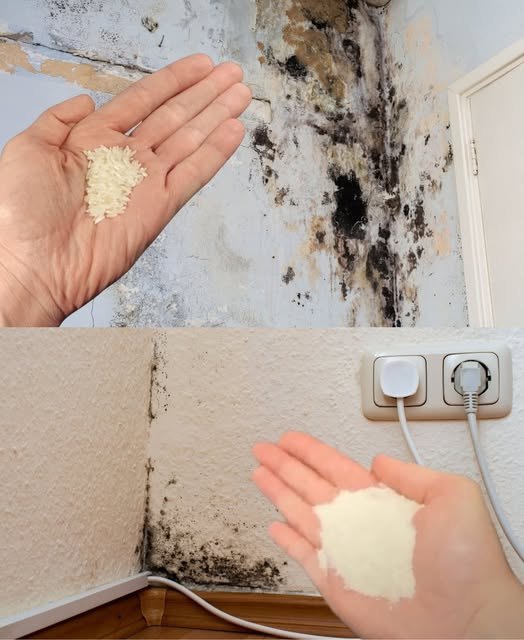
Mold on walls is a common household problem caused by excess moisture. It’s not just a cosmetic issue—it can also affect air quality and health if ignored.
🧫 What is wall mold?
Mold is a type of fungus (like Fungal growth) that grows in damp, warm, and poorly ventilated areas. On walls, it often looks:
- black, green, or brown patches
- fuzzy or spotty stains
- sometimes musty-smelling areas
🏠 Common causes
- Leaking pipes or roof
- High indoor humidity
- Poor ventilation (closed rooms, bathrooms, kitchens)
- Water seepage through walls
⚠️ Possible effects on health
In sensitive people, mold exposure may cause:
- sneezing or coughing
- eye or skin irritation
- asthma flare-ups
- headaches or fatigue
People with allergies or respiratory conditions are more affected.
🧼 How to clean small mold spots (safe method)
1. Wear protection
- Gloves and mask
2. Clean the area
- Use a mixture of water + detergent OR
- Diluted vinegar solution
3. Scrub gently
- Use a brush or cloth
4. Dry completely
- Very important—moisture is the root cause
🚨 When to call a professional
- Large mold patches
- Repeated growth after cleaning
- Mold inside walls or ceilings
- Strong persistent odor
🧠 How to prevent mold
- Fix leaks quickly
- Improve ventilation (fans, open windows)
- Use dehumidifiers if needed
- Keep walls dry and clean
🧠 Bottom line
Mold is not just dirt—it’s a moisture problem. Cleaning helps, but fixing the dampness is the real solution.
If you want, I can show you the fastest home remedies to remove mold stains or prevent it from coming back permanently.
