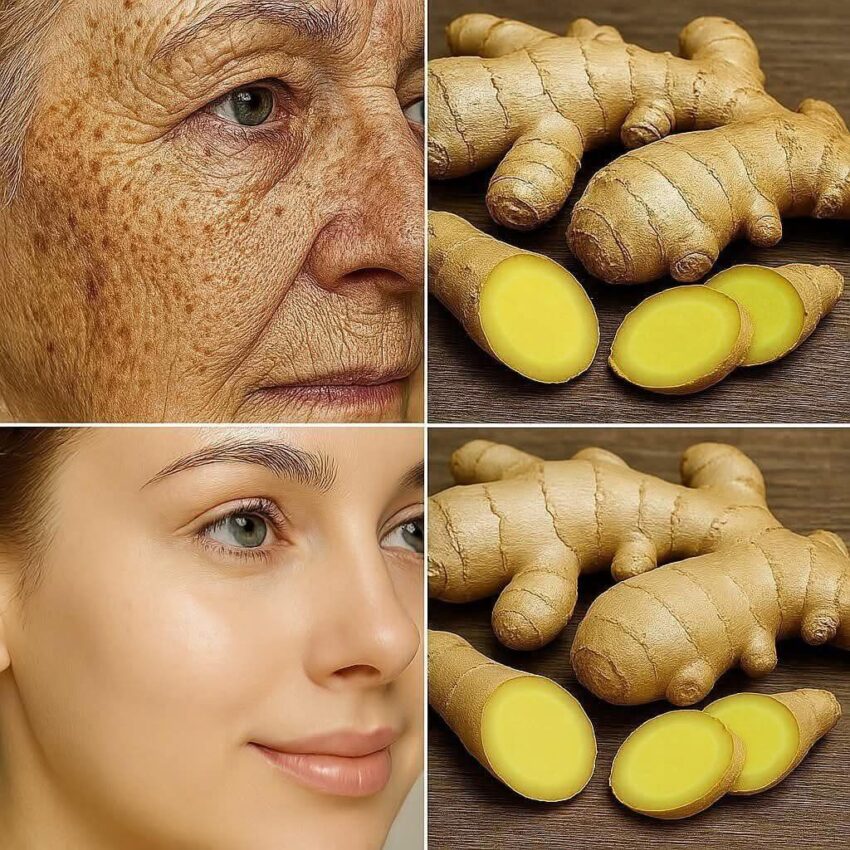
Mango ginger is a plant rhizome (root-like stem) known scientifically as Curcuma amada. Despite its name, it is not a mango or a true ginger, but it belongs to the same family as turmeric.
Why it’s called “mango ginger”
When you cut or crush it, it has a mild mango-like aroma and taste, while still looking and growing like ginger.
What it looks like
- Similar shape to ginger or turmeric
- Pale yellow to light greenish inside
- Knobby rhizome
Taste and smell
- Mildly spicy (like ginger)
- Fruity, slightly mango-like fragrance
- Less strong than regular ginger
Common uses
- Pickles (very popular in South Asia, especially India)
- Chutneys and sauces
- Traditional medicine (Ayurveda) for digestion and inflammation
- Sometimes used in salads or cooking for aroma
Traditional benefits (folk + Ayurvedic use)
People traditionally use mango ginger for:
- digestion support
- reducing bloating
- anti-inflammatory effects
- improving appetite
(These are traditional claims; scientific evidence is still limited compared to common ginger or turmeric.)
Difference from regular ginger and turmeric
- Ginger → strong spicy heat
- Turmeric → bitter, used for color/curcumin
- Mango ginger → mild spice + fruity aroma
If you want, I can also tell you how to use mango ginger in home remedies or pickles, or whether it’s available in your area.
