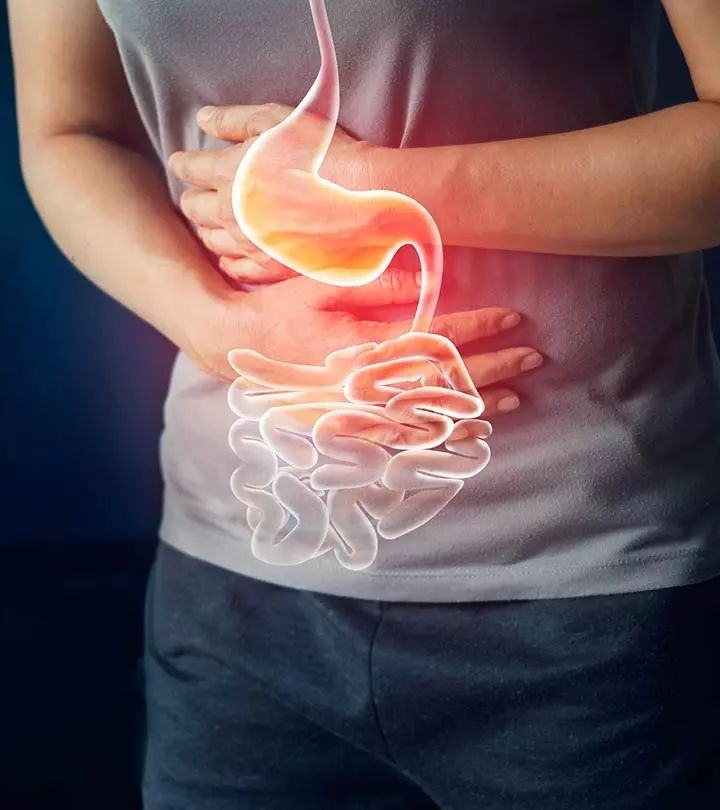
The human digestive system is the body system responsible for breaking down food, absorbing nutrients, and removing waste.
Main organs and their roles
1. Mouth
- Chews food (mechanical digestion)
- Saliva starts breaking down carbohydrates
2. Esophagus
- A muscular tube that pushes food to the stomach using wave-like movements (peristalsis)
3. Stomach
- Mixes food with acid and enzymes
- Breaks protein into smaller parts
- Turns food into a semi-liquid called chyme
4. Small intestine (most important part)
- Main site of nutrient absorption
- Receives enzymes from pancreas and bile from liver
- Absorbs proteins, fats, carbohydrates, vitamins, and minerals into blood
5. Liver
- Produces bile (helps digest fats)
- Processes nutrients and detoxifies substances
6. Gallbladder
- Stores and releases bile when needed
7. Pancreas
- Produces digestive enzymes
- Helps break down fats, proteins, and carbs
- Also regulates blood sugar (insulin production)
8. Large intestine (colon)
- Absorbs water and salts
- Forms solid waste (stool)
9. Rectum and anus
- Store and remove waste from the body
Simple flow of digestion
Food → Mouth → Esophagus → Stomach → Small intestine → Large intestine → Exit
What the system does overall
- Converts food into energy
- Provides nutrients for growth and repair
- Removes undigested waste
If you want, I can also explain it with a simple diagram-style breakdown or tell you how long digestion takes for different foods.
