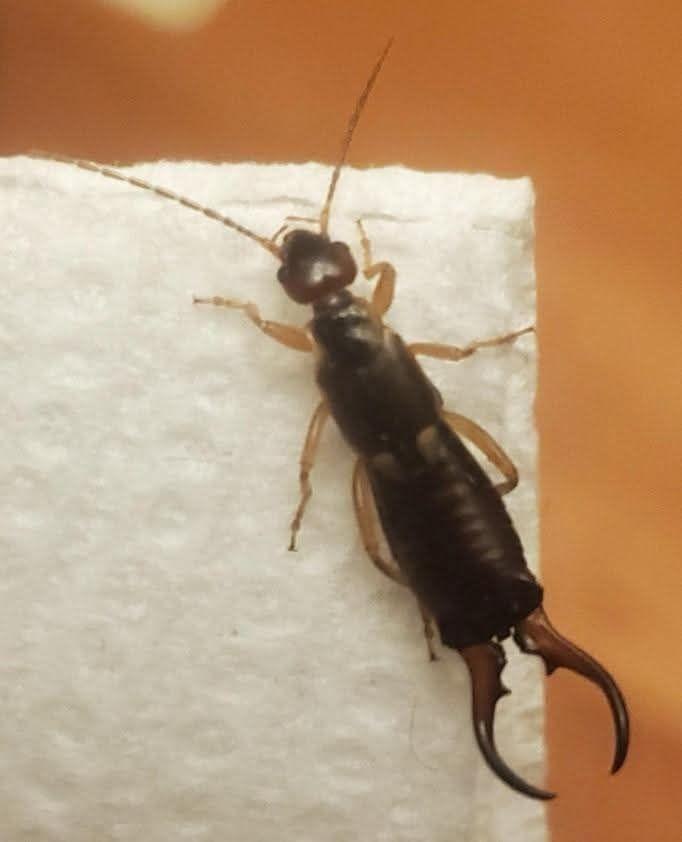
Labidura riparia is a species of earwig found in many parts of the world, especially in warm and sandy habitats.
🪳 What it is
- Common name: Striped earwig / Shore earwig
- Type: Insect (earwig)
- Habitat: Soil, sand, under stones, gardens, agricultural fields
🌍 Where it lives
- Found worldwide (cosmopolitan distribution)
- Prefers:
- Sandy soils
- Moist but not flooded areas
- Warm climates
- Often hides under rocks, logs, or debris during the day
🍽️ What it eats
- Small insects (it is predatory)
- Larvae and soft-bodied pests
- Occasionally decaying organic matter
👉 This makes it beneficial in agriculture because it helps control pests.
🧠 Behavior
- Mostly nocturnal (active at night)
- Uses pincers (cerci) at the rear for:
- Defense
- Capturing prey
- Mating behavior
- Not aggressive toward humans
⚠️ Is it harmful?
- Generally not dangerous to people
- Can pinch if handled, but it’s mild
- Not venomous and does not spread disease
🌱 Interesting fact
Farmers sometimes consider it a natural pest controller because it eats crop-damaging insects.
🧠 Bottom line
Labidura riparia is a useful, harmless predatory earwig that helps control insect pests in soil and farms.
If you want, I can show you how to identify it compared to common household earwigs.
