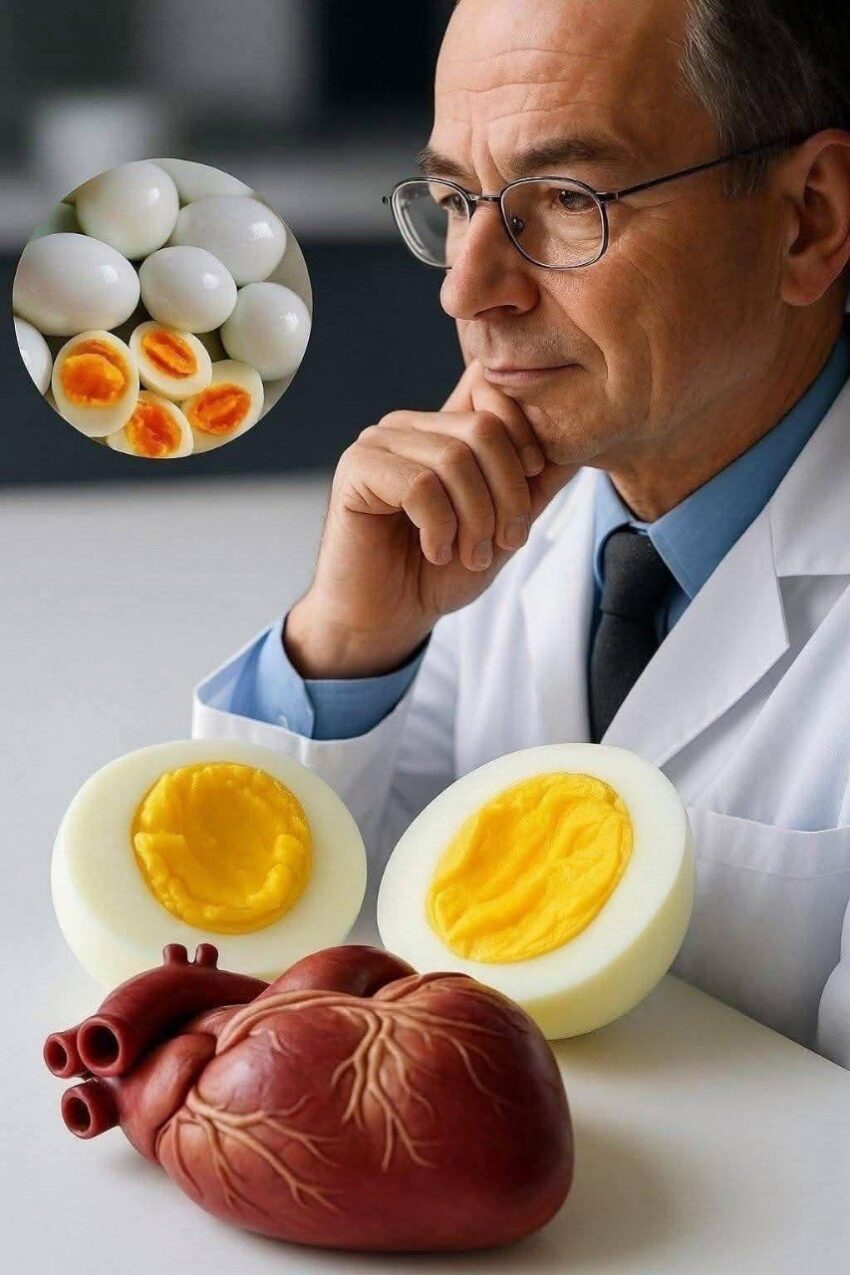
🥚 Hard-boiled egg
A hard-boiled egg is an egg that is cooked in its shell in boiling water until both the white and yolk become firm.
🔍 Key facts
- 🍳 Cooking method: boiled in water (about 10–12 minutes)
- 🟡 Yolk: fully solid (not runny)
- ⚪ White: firm and fully set
- 🧊 Can be eaten hot or cold
💪 Health benefits
🥩 1. High-quality protein
- Helps build and repair muscles
- Keeps you full longer
🧠 2. Good for brain health
- Contains choline, important for memory and brain function
👁️ 3. Eye health support
- Rich in lutein and zeaxanthin
⚖️ 4. Helps with weight control
- Low in calories but very filling
- Good for weight-loss diets
🦴 5. Bone support
- Contains vitamin D and other nutrients
🍽️ How to eat hard-boiled eggs
- As a snack with salt and pepper
- In salads 🥗
- In sandwiches or wraps 🥪
- With breakfast (toast + eggs)
⚠️ Notes
- Most healthy people can eat eggs daily in moderation
- If you have high cholesterol, consult a doctor for quantity
- Always store boiled eggs in the fridge if not eating immediately
✔️ Bottom line
A hard-boiled egg is a simple, nutritious, high-protein food that supports energy, muscle health, and weight management.
If you want, I can also tell you how many eggs you should eat per day for your age and health goals or best ways to boil eggs perfectly every time.
