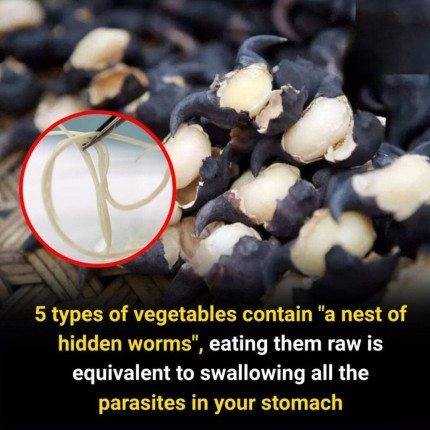
That claim is misleading and largely exaggerated, but there is a real risk of parasites or bacteria if some vegetables aren’t properly washed or cooked. Here’s the accurate breakdown:
Vegetables That Can Harbor Parasites or Bacteria
Eating unclean raw vegetables can occasionally transmit parasites like roundworms, hookworms, or protozoa, but this is rare in developed countries with proper hygiene. The risk is mostly in unclean, improperly washed produce or areas with poor sanitation.
1. Leafy Greens
- Examples: Lettuce, spinach, kale.
- Risk: Parasites or bacteria (e.g., E. coli, Giardia) can hide in folded leaves.
2. Root Vegetables
- Examples: Carrots, radishes, beets.
- Risk: Soil residues can harbor worms, eggs, or bacteria.
- Wash thoroughly or peel before eating.
3. Cucumbers and Zucchinis
- Risk: Tiny parasites or pesticide residues may remain on the skin.
- Scrub well or peel before raw consumption.
4. Herbs
- Examples: Parsley, cilantro, dill.
- Risk: Tiny larvae or bacteria can cling to fine leaves.
- Wash under running water and soak if possible.
5. Sprouts
- Examples: Alfalfa, bean sprouts, mung beans.
- Risk: High risk for Salmonella and E. coli because warm, moist conditions promote bacterial growth.
- Cooking sprouts eliminates the risk.
Tips to Reduce Risk
- Wash thoroughly under running water.
- Peel or cook root vegetables.
- Avoid raw sprouts if immunocompromised or in areas with poor sanitation.
- Store vegetables properly in the fridge.
- Use clean cutting boards and utensils to prevent cross-contamination.
💡 Bottom Line:
Eating raw vegetables is generally healthy and safe if washed and handled properly. The idea of a “nest of hidden worms” is mostly a scare tactic—proper hygiene eliminates almost all risk.
If you want, I can make a short list of 7 safe raw vegetables and how to clean them to avoid parasites.
Do you want me to do that?
