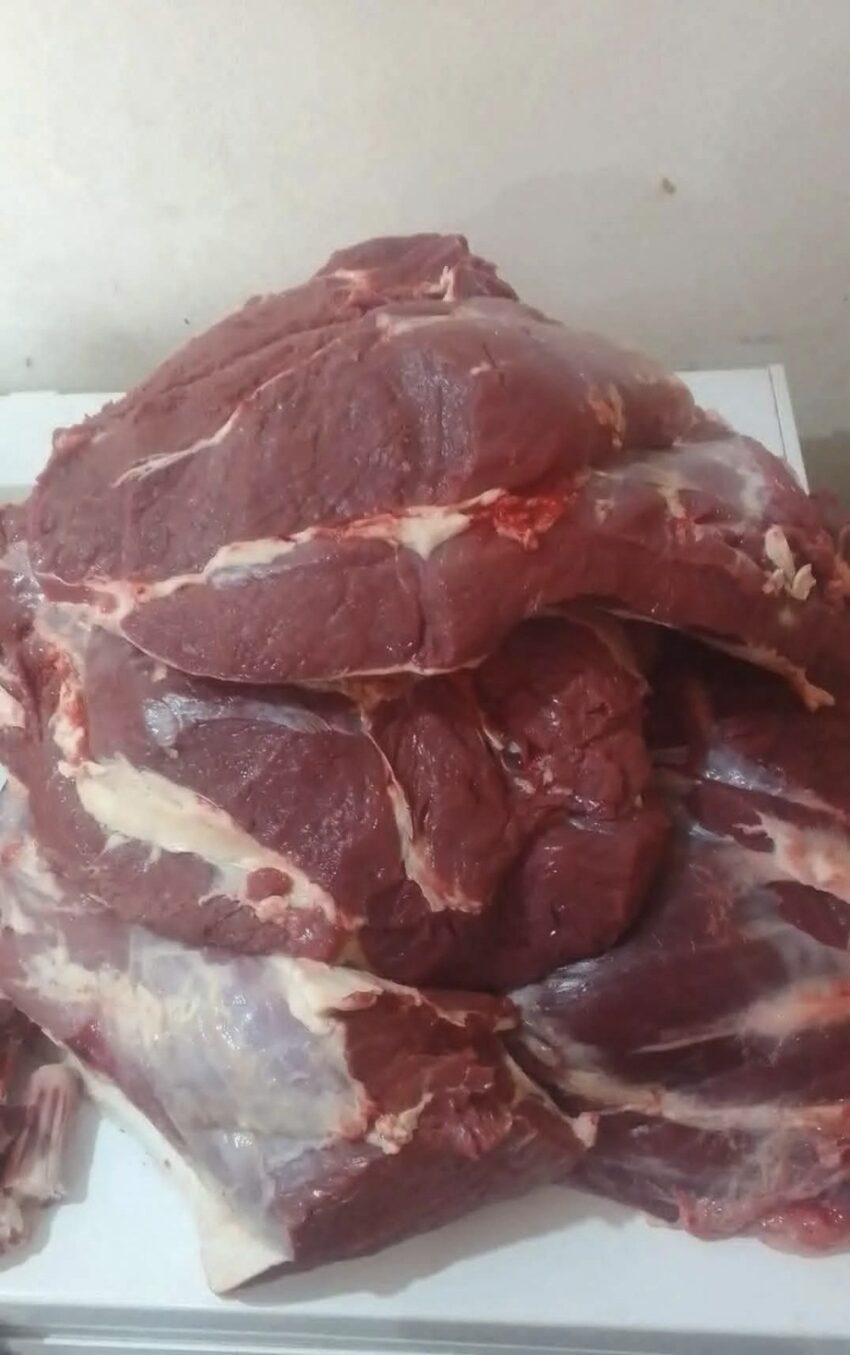
Raw meat refers to meat that has not been cooked or processed. While it’s used in certain culinary traditions, it carries health risks due to potential bacteria, parasites, or viruses. Here’s a detailed breakdown:
Types of Raw Meat Dishes
- Beef – Steak tartare, carpaccio
- Fish – Sushi, sashimi
- Pork or lamb – Rarely consumed raw due to higher parasite risk
Potential Risks
- Bacterial contamination: E. coli, Salmonella, Listeria
- Parasitic infections: Trichinella in pork, tapeworms in beef
- Viral risk: Hepatitis E (rare, more common in certain meats)
Symptoms of foodborne illness: Nausea, vomiting, diarrhea, abdominal pain, fever
How to Reduce Risks
- Use fresh, high-quality meat from trusted sources
- Keep raw meat refrigerated and separate from other foods
- Clean utensils and surfaces thoroughly
- Freeze fish properly if intended for raw consumption (kills certain parasites)
- Pregnant women, young children, elderly, and immunocompromised people should avoid raw meat
Culinary Notes
- Raw meat can be safe when handled carefully, as in Japanese or French cuisine.
- Always follow strict hygiene and sourcing standards.
💡 Bottom line: Raw meat can be part of some traditional dishes, but it carries significant food safety risks. Proper sourcing, storage, and hygiene are crucial to reduce illness.
If you want, I can make a list of popular raw meat dishes around the world and the safety precautions for each. Do you want me to do that?
