Here’s a detailed explanation of why diabetes at night can be dangerous and what to watch for:
Why Diabetes at Night Is Critical
People with diabetes (type 1 or type 2) can experience blood sugar fluctuations during sleep. These are important because you may not feel symptoms immediately, and complications can develop if untreated.
1. Hypoglycemia (Low Blood Sugar)
- When it happens: Usually midnight to early morning.
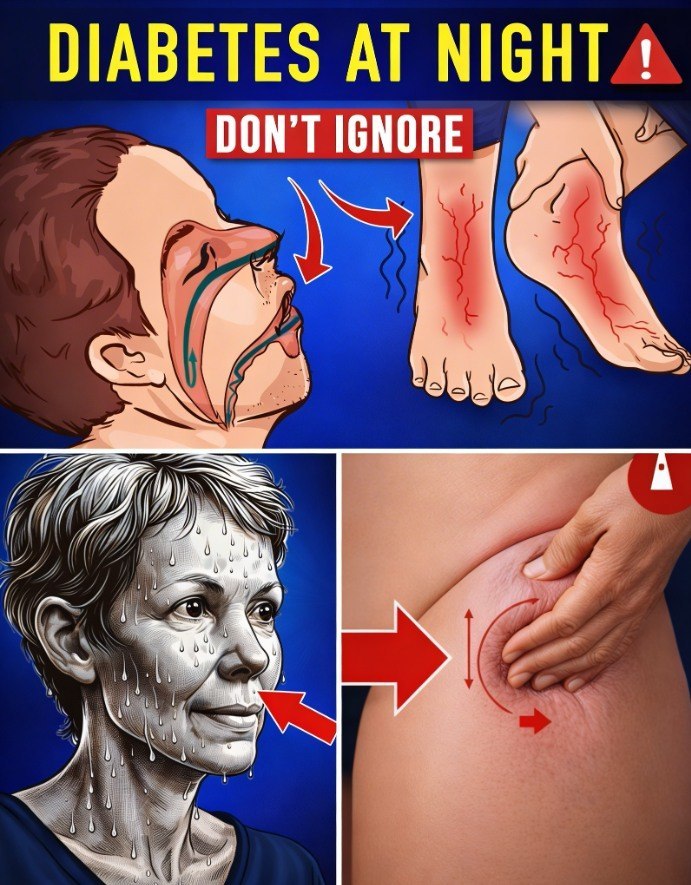
- Symptoms while asleep: Sweating, restless sleep, nightmares, or sometimes no noticeable symptoms.
- Risks: Severe low blood sugar can cause confusion, seizures, or even coma if not treated.
- Prevention:
- Avoid skipping dinner or long gaps without snacks.
- Check blood sugar before bed, especially if on insulin or sulfonylureas.
2. Hyperglycemia (High Blood Sugar)
- Causes: Too much food late at night, insufficient insulin, stress hormones.
- Symptoms: Nighttime urination, dry mouth, headache, restless sleep.
- Risks: Persistent high blood sugar can lead to diabetic ketoacidosis (rare but dangerous, more in type 1).
- Prevention: Adjust evening medication and avoid heavy late meals.
3. The Dawn Phenomenon
- What it is: Natural rise in blood sugar between 4–8 a.m. due to hormones like cortisol and growth hormone.
- Why it matters: Can cause high fasting blood sugar, even if dinner was fine.
- Management: Discuss with your doctor if you notice consistently high morning readings.
4. Sleep Disruption & Heart Risk
- Poor sleep can worsen insulin resistance.
- Nighttime high or low blood sugar can increase the risk of heart rhythm problems or sudden cardiac events, especially in older adults.
5. Tips for Safer Nights
- Keep a glucose meter or continuous glucose monitor handy.
- Have quick sugar sources nearby (juice, glucose tablets) in case of hypoglycemia.
- Maintain consistent meal and insulin schedules.
- Check feet and hydration before bed — diabetes affects circulation and nerves.
Bottom line: Nighttime blood sugar swings are not to ignore. Proper monitoring, bedtime snacks, and medication adjustments can prevent serious complications.
I can also make a step-by-step night routine for diabetics to prevent hypoglycemia and hyperglycemia while sleeping safely.
Do you want me to create that routine?
