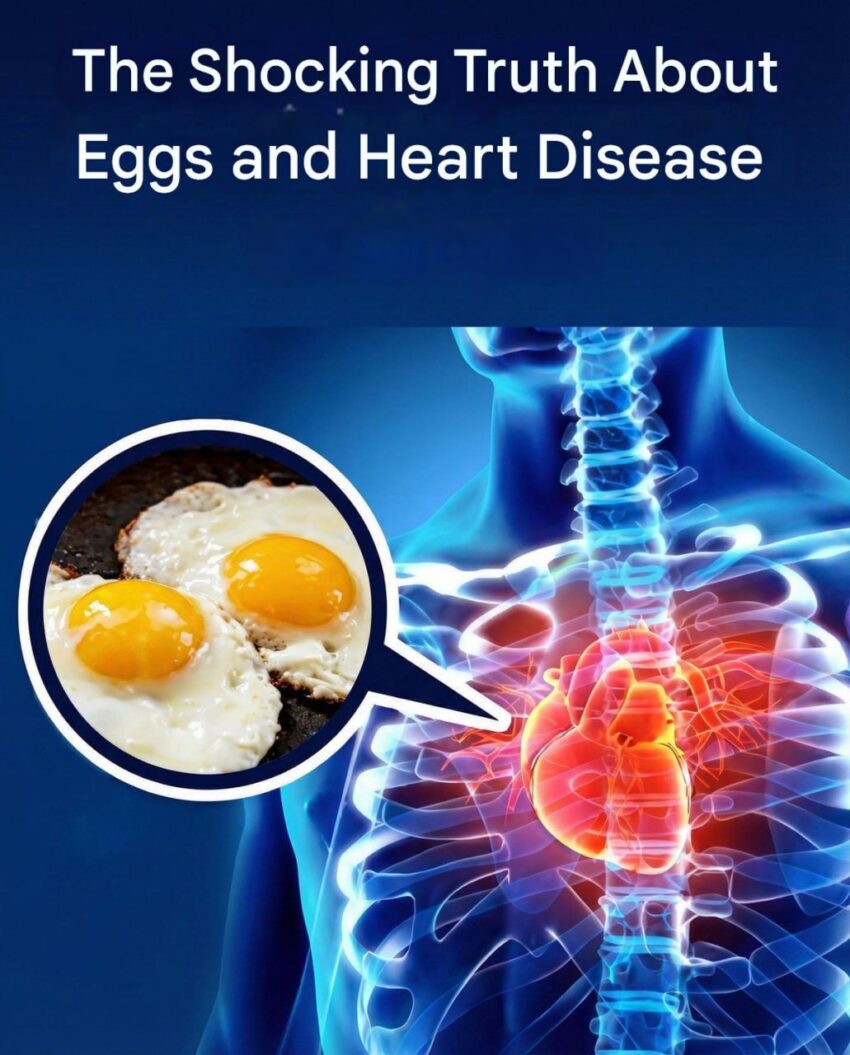
Here’s a careful, evidence-based look at eggs and heart disease, separating myths from science:
🥚 Eggs and Heart Health: What You Need to Know
1. Cholesterol in Eggs
- One large egg contains about 186 mg of cholesterol, mostly in the yolk.
- For decades, eggs were linked to heart disease due to this cholesterol content.
2. Current Research
- Moderate egg consumption (1 egg per day) is generally safe for healthy adults.
- Studies show that for most people, dietary cholesterol has a smaller effect on blood cholesterol than saturated and trans fats.
- Eggs are nutrient-rich, providing:
- High-quality protein
- Vitamins B12, D, and choline
- Minerals like selenium
3. Who Should Be Cautious
- People with diabetes or familial hypercholesterolemia may need to limit egg yolks and monitor cholesterol.
- If you have heart disease risk factors, combine eggs with fiber-rich foods like vegetables or whole grains to support heart health.
4. Healthy Ways to Eat Eggs
- Boiled, poached, or scrambled with minimal butter or oil.
- Pair with vegetables for a balanced meal.
- Avoid frequent consumption of eggs fried in large amounts of butter or paired with processed meats (like bacon or sausage).
5. Egg Whites vs. Whole Eggs
- Egg whites are cholesterol-free and high in protein.
- Using a mix of whole eggs and egg whites can provide nutrients with less cholesterol.
💡 Key Takeaway:
- For most healthy adults, eggs in moderation do not increase heart disease risk.
- Heart health is more affected by overall diet, physical activity, and lifestyle than by a single food.
If you want, I can make a simple “Eggs and Heart Health Guide” showing how many eggs are safe per week and which pairings are best for your heart.
Do you want me to create that?
