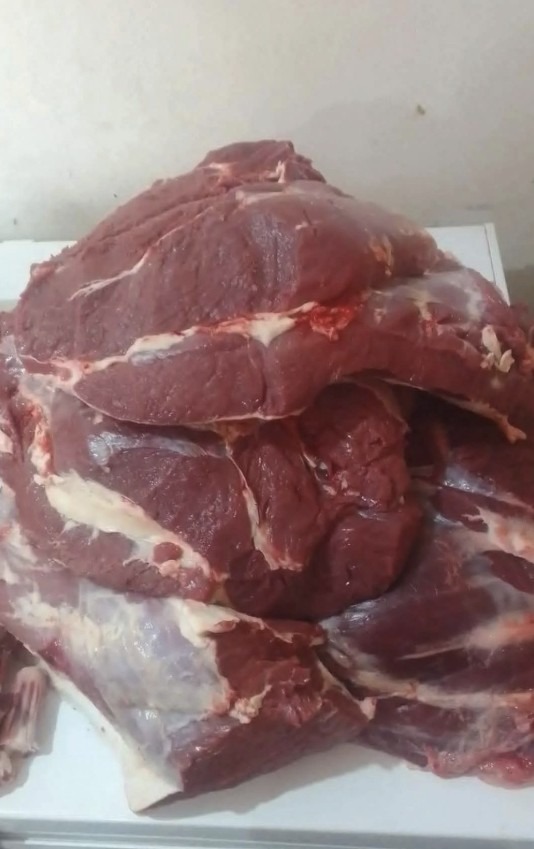
Beef is the meat obtained from cattle, one of the most widely consumed types of meat worldwide. 🥩
Here’s a detailed breakdown:
Types of Beef Cuts
Beef is typically categorized into primal cuts, which are then divided into sub-cuts:
- Chuck – from the shoulder, flavorful, ideal for stews and braising.
- Rib – tender and marbled, used for ribeye steaks or prime rib.
- Short Loin & Sirloin – tender, great for grilling (T-bone, strip steak).
- Round – from the rear, lean, good for roasting or stews.
- Brisket – from the chest, tough but flavorful; slow-cooked or smoked.
- Shank & Flank – lean cuts, used in soups, stocks, and slow-cooked dishes.
Nutritional Profile (per 100g of lean beef)
- Calories: ~250 kcal
- Protein: 26–28 g
- Fat: 15 g (varies with cut)
- Vitamins: B12, B6, niacin
- Minerals: Zinc, iron, phosphorus, selenium
Health Benefits
- High-quality protein supports muscle growth and repair
- Iron and zinc help prevent anemia and support immunity
- B vitamins aid metabolism and energy production
Cooking Methods
- Grilling: Steaks, ribs
- Roasting: Prime rib, sirloin
- Braising/Stewing: Chuck, brisket, shank
- Ground Beef: For burgers, tacos, meatballs
Tips for Best Flavor
- Choose meat with good marbling (fat distribution) for tenderness and taste
- Let beef rest after cooking to retain juices
- Season simply with salt, pepper, garlic, and herbs to enhance natural flavor
💡 Fun Fact:
Different cultures have unique beef preparations: Argentinian asado, Korean bulgogi, Japanese wagyu, or American barbecue brisket all highlight different flavors and textures.
If you want, I can make a quick guide to the 5 easiest beef dishes that taste gourmet even for beginners.
Do you want me to do that?
