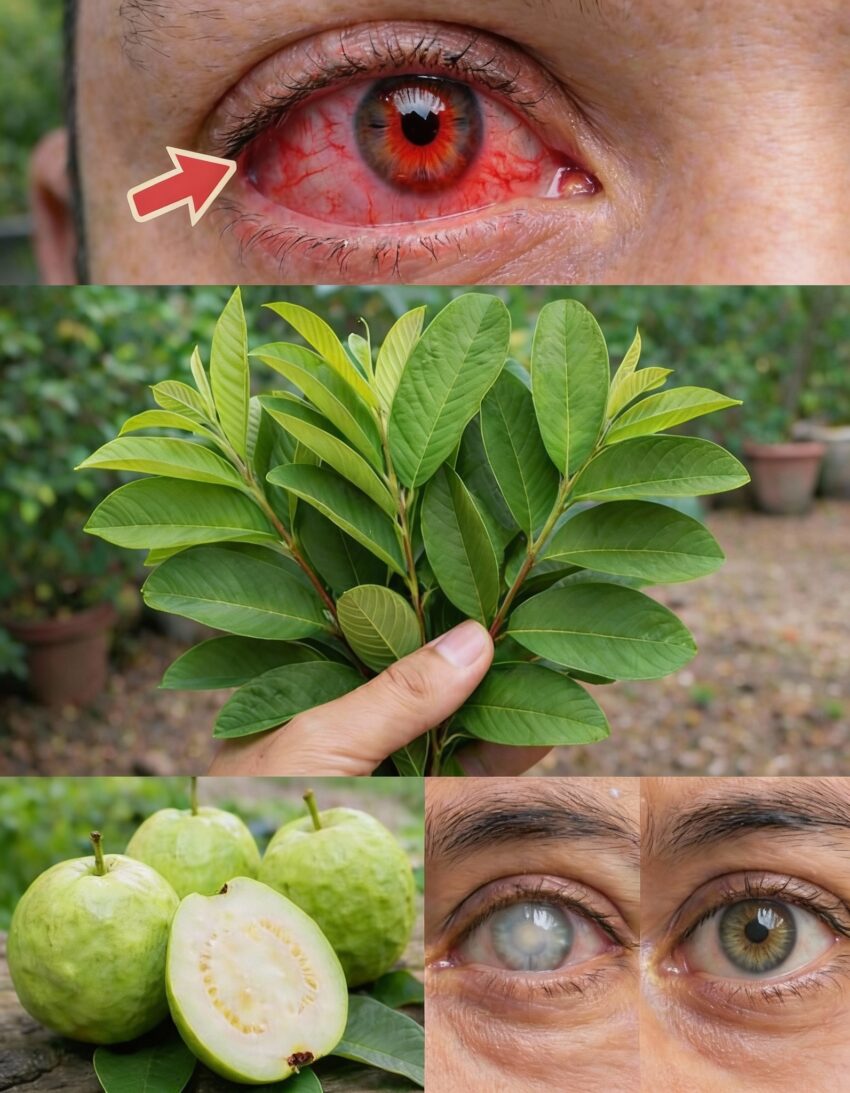
Common Guava is a widely cultivated tropical fruit tree known for its sweet, aromatic fruit. It’s native to Central and South America but now grows in many tropical and subtropical regions worldwide.
🌿 Basic Facts
- Scientific name: Psidium guajava
- Family: Myrtaceae
- Height: Small to medium tree, typically 3–10 meters
- Leaves: Evergreen, oval, fragrant when crushed
- Flowers: White with numerous stamens, attract pollinators
🍈 Fruit Characteristics
- Round or oval, 4–12 cm in diameter
- Skin: Green when unripe, yellow when ripe
- Flesh: White, pink, or red, sweet to slightly tart
- Contains numerous small, hard seeds
🍽️ Culinary Uses
- Eaten raw or in fruit salads
- Used in juices, jams, jellies, and desserts
- Can be cooked into sauces or syrups
- Popular in tropical beverages and candies
🥗 Nutritional Benefits
- Rich in vitamin C (more than oranges per 100g)
- Contains dietary fiber, antioxidants, and potassium
- Supports immune health, digestion, and heart health
🌱 Growing Tips
- Thrives in well-drained soil and full sun
- Can tolerate drought once established
- Harvest typically occurs 4–8 months after flowering
- Regular pruning encourages better fruit production
💡 Fun Fact: Guava leaves are used in traditional medicine for diarrhea, cough, and wound healing in some cultures, though clinical evidence is limited.
If you want, I can make a comparison between common guava and Costa Rican guava (Psidium friedrichsthalianum) so you can see the differences in taste, usage, and appearance. Do you want me to do that?
