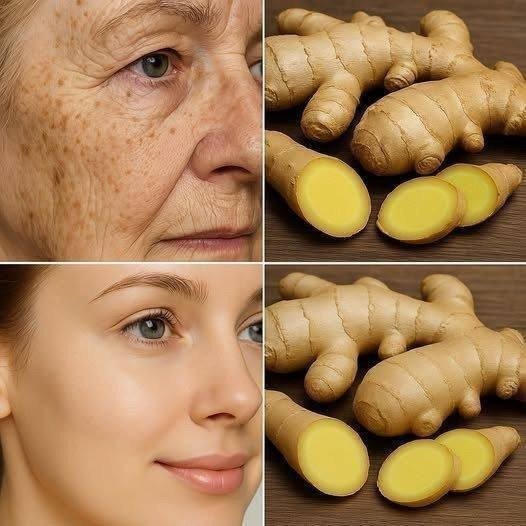
Ginger is a versatile root used for cooking, medicine, and natural wellness. Here’s a detailed look:
About Ginger
- Scientific Name: Zingiber officinale
- Type: Rhizome (underground stem)
- Origin: Southeast Asia
- Flavor & Aroma: Warm, spicy, slightly sweet; pungent aroma when fresh
Nutritional Benefits
- Vitamins & Minerals: Contains vitamin B6, magnesium, manganese, and small amounts of potassium and vitamin C.
- Antioxidants: Rich in compounds like gingerols, which fight oxidative stress.
- Anti-inflammatory: Reduces inflammation, swelling, and may relieve joint pain.
- Digestive Support: Helps reduce nausea, motion sickness, and indigestion.
- Circulation Support: Can mildly stimulate blood flow.
Culinary Uses
- Fresh: Grated or sliced into teas, stir-fries, soups, and marinades.
- Ground: Adds warmth to baked goods, curries, and spice blends.
- Pickled: Often served with sushi.
- Candied: Sweet treat or garnish.
Health & Wellness Uses
- Digestive Aid: Helps soothe upset stomach and bloating.
- Anti-Nausea: Effective for morning sickness, motion sickness, and chemotherapy-induced nausea.
- Cold & Flu Relief: Used in teas or infusions to support immune response and soothe sore throats.
- Pain & Inflammation: May help reduce symptoms of arthritis or muscle soreness.
Quick Ginger Tea Recipe
- Slice 1–2 inches of fresh ginger root.
- Boil in 2 cups of water for 10 minutes.
- Strain and add honey or lemon to taste.
- Drink warm to aid digestion and circulation.
If you want, I can also give a powerful anti-inflammatory drink combining ginger, turmeric, and citrus that helps with circulation, joint pain, and overall wellness.
Do you want me to give that recipe?
