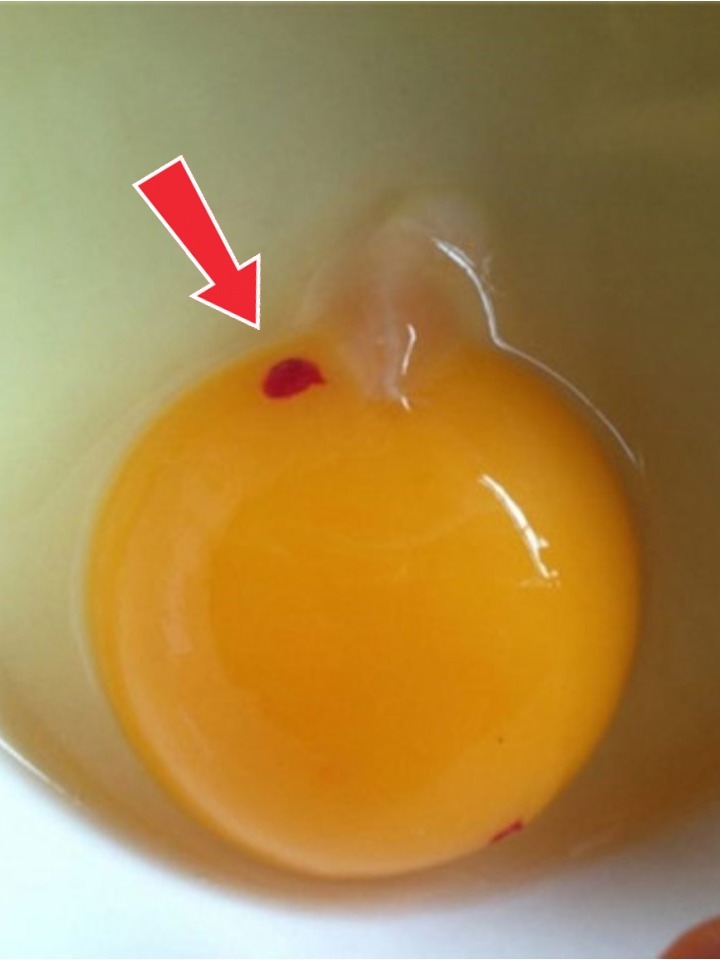
The egg yolk is the yellow, nutrient-rich part of an egg that sits in the center, surrounded by the egg white. It’s the part that nourishes the developing embryo in fertilized eggs, but it’s also the most nutritionally dense portion for humans. Here’s a detailed breakdown:
🥚 Composition
- Water: ~50%
- Protein: ~16% (high-quality proteins)
- Fat: ~32% (mostly healthy unsaturated fats, plus some saturated fat)
- Vitamins & Minerals:
- Fat-soluble vitamins: A, D, E, K
- B vitamins: B12, folate
- Minerals: iron, phosphorus, selenium, zinc
- Cholesterol: About 186 mg per large yolk (important for hormone synthesis but can be a concern for some people).
🥗 Uses in Cooking
- Emulsifier: Essential in mayonnaise, hollandaise, and salad dressings.
- Thickener: Custards, sauces, and soups.
- Flavor & Color: Adds richness and golden color to baked goods.
- Binding Agent: In meatballs, burgers, and some pastries.
🩺 Health Notes
- Nutrient-dense: Packed with essential vitamins, minerals, and healthy fats.
- Cholesterol concerns: Modern studies show that for most healthy people, dietary cholesterol in egg yolks doesn’t significantly raise blood cholesterol.
- Protein: While egg whites are mostly protein, yolks provide important fat-soluble vitamins and minerals.
In short, the egg yolk is the “heart” of the egg nutritionally—high in fat, vitamins, and minerals—while the egg white is mostly protein.
If you want, I can also explain why some eggs have darker vs. lighter yolks—it’s a neat fact about diet and chicken breeds. Do you want me to?
