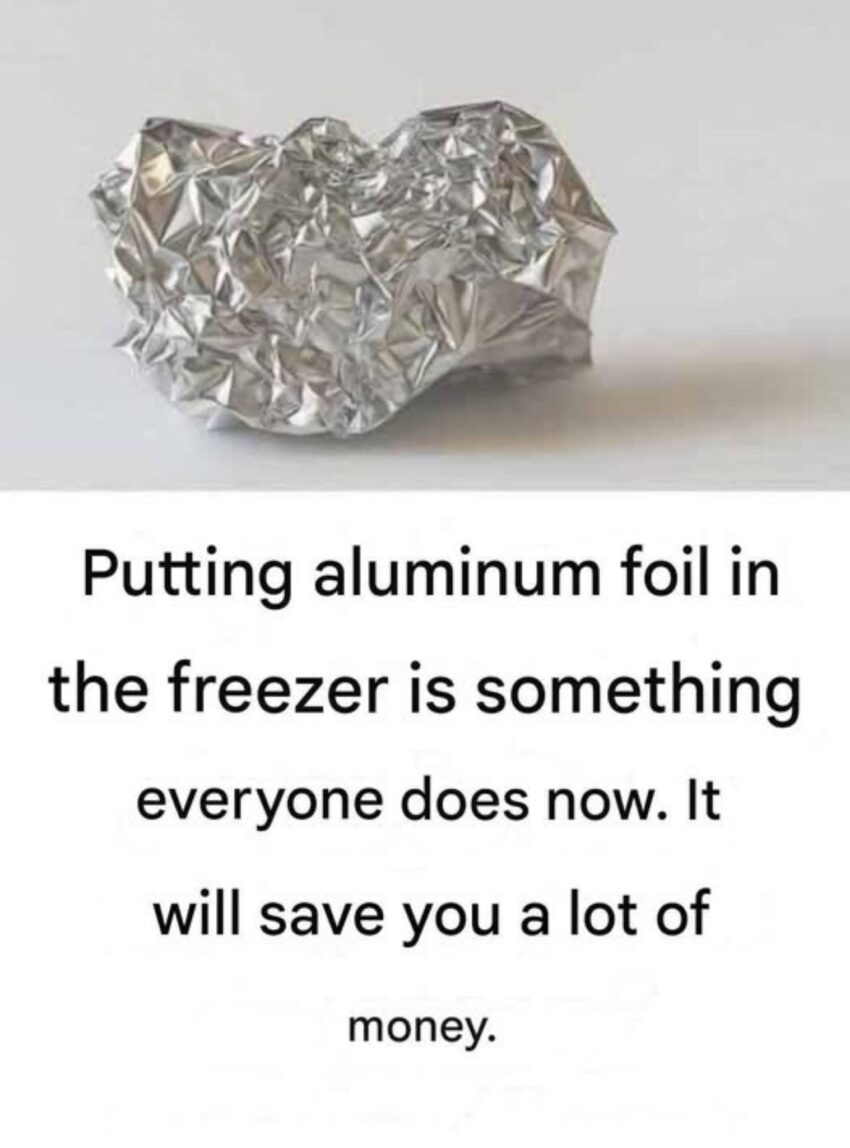
Here’s a thorough look at aluminum foil and its uses:
1. Overview
- Material: Thin sheet of aluminum metal.
- Common uses: Cooking, food storage, and insulation.
- Properties: Lightweight, flexible, heat-conductive, and moisture-resistant.
2. Cooking Uses
- Baking / Roasting
- Wrap food (e.g., chicken, fish, vegetables) to retain moisture.
- Can create a foil packet for one-pan meals.
- Grilling
- Prevents food from sticking or falling through the grates.
- Helps evenly cook delicate foods like fish or sliced vegetables.
- Freezing / Storage
- Protects food from freezer burn.
- Can be molded tightly around meats, baked goods, or leftovers.
- Other Uses
- Lining pans for easy cleanup.
- Covering pies or casseroles to prevent over-browning.
3. Safety Tips
- Avoid direct contact with highly acidic foods (tomatoes, citrus) for long periods, as aluminum can react and affect flavor or color.
- Do not use in microwave ovens unless the manufacturer specifically allows it.
- Always check aluminum foil thickness: heavy-duty is better for grilling or long baking.
4. Eco Considerations
- Aluminum foil is recyclable, but it must be clean and free of food residue.
- Consider reusable alternatives like silicone baking mats or beeswax wraps for sustainability.
If you want, I can also give a step-by-step guide for “cooking with foil”—like making juicy chicken, vegetables, or baked potatoes wrapped in foil—to maximize flavor and keep cleanup easy.
Do you want me to do that?
