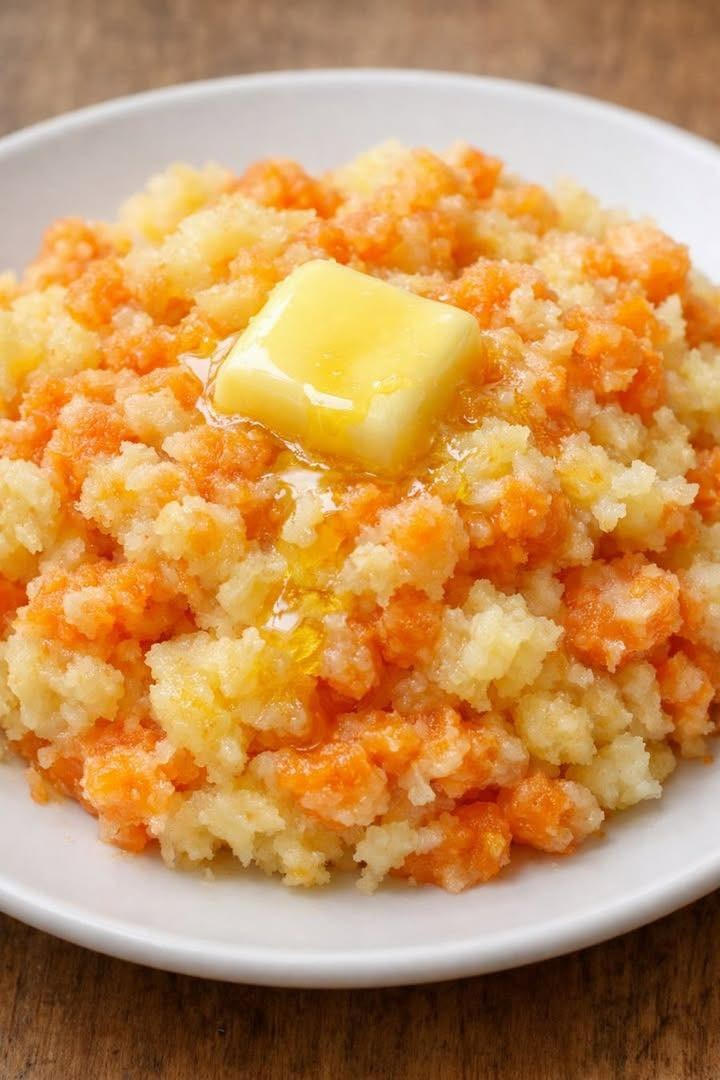
Couscous is a type of small, granular pasta made from semolina wheat, widely eaten in North African cuisine. It’s quick to prepare, versatile, and pairs well with vegetables, meats, and sauces.
🌾 Key Facts
- Origin: North Africa (Morocco, Algeria, Tunisia)
- Texture: Light, fluffy, slightly chewy
- Types:
- Moroccan couscous: tiny grains, cooks quickly
- Israeli (pearl) couscous: larger, chewy grains
- Lebanese couscous (moghrabieh): largest grains, similar to small pearls
🥄 Nutritional Profile (per 1 cup cooked)
- Calories: ~176
- Carbohydrates: ~36 g
- Protein: ~6 g
- Fiber: ~2 g
- Low in fat, cholesterol-free
Couscous is also a good source of selenium, which supports antioxidant defense and thyroid function.
🍽️ Cooking Tips
- Boil water or broth (1:1 ratio for instant couscous)
- Pour over couscous, cover, and let steam 5–10 minutes
- Fluff with a fork before serving
Optional: add olive oil or butter, herbs, and spices for flavor.
🌱 Uses
- Side dish: Like rice or pasta
- Salads: Cold couscous salads with vegetables and dressing
- Main dishes: Served with stews, meats, or roasted vegetables
- Breakfast or dessert: With nuts, fruits, or honey
🟢 Fun Fact
Couscous is one of the oldest grain preparations in human history, dating back over a thousand years, and is still a staple in Maghreb households today.
If you want, I can give a quick 10-minute couscous recipe with vegetables and spices that’s healthy and flavorful.
