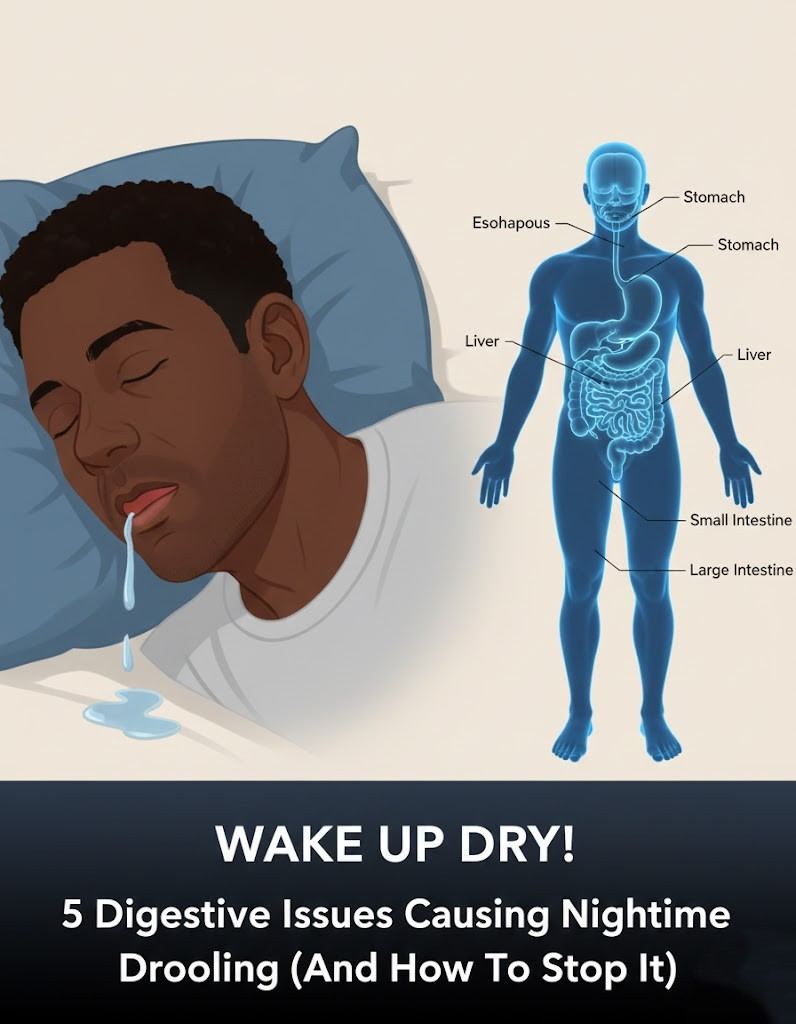
Excessive drooling, also called sialorrhea, can sometimes be more than a minor inconvenience—it can be a warning sign of underlying medical conditions, especially if it occurs suddenly or worsens over time.
🩺 Possible Causes and Warning Signs
1. Neurological Disorders
Drooling may indicate problems with muscle control or nerve function. Conditions include:
- Parkinson’s disease – reduced swallowing ability
- Amyotrophic lateral sclerosis (ALS) – weakened facial muscles
- Stroke – difficulty controlling facial and throat muscles
2. Oral or Dental Issues
- Poorly fitting dentures
- Infections, abscesses, or inflammation of the mouth or gums
- Teething in children
3. Gastrointestinal Disorders
- GERD (acid reflux) can cause excess saliva as the body attempts to neutralize acid.
- Difficulty swallowing due to esophageal disorders can lead to drooling.
4. Medications
Certain drugs may cause drooling as a side effect:
- Antipsychotics
- Seizure medications
- Some sedatives
5. Respiratory or Throat Conditions
- Enlarged tonsils or adenoids
- Obstructions in the airway
- Allergies causing increased mucus production
6. Infections
- Strep throat, tonsillitis, or other infections causing pain when swallowing
⚠️ When to Seek Medical Attention
See a doctor if drooling is:
- Sudden or worsening in adults
- Accompanied by difficulty speaking or swallowing
- Associated with weight loss, fever, or neurological symptoms
💡 Tips to Manage Drooling
- Maintain good oral hygiene
- Practice swallowing exercises if drooling is due to weak muscles
- Adjust medications in consultation with a doctor
- Keep the head slightly elevated while sleeping
Excessive drooling can be a harmless temporary issue in some cases (like teething or minor infections), but persistent or sudden drooling in adults can signal serious diseases and should be evaluated by a healthcare professional.
If you want, I can make a quick chart of drooling causes by age and severity, so it’s easy to see when it’s serious.
