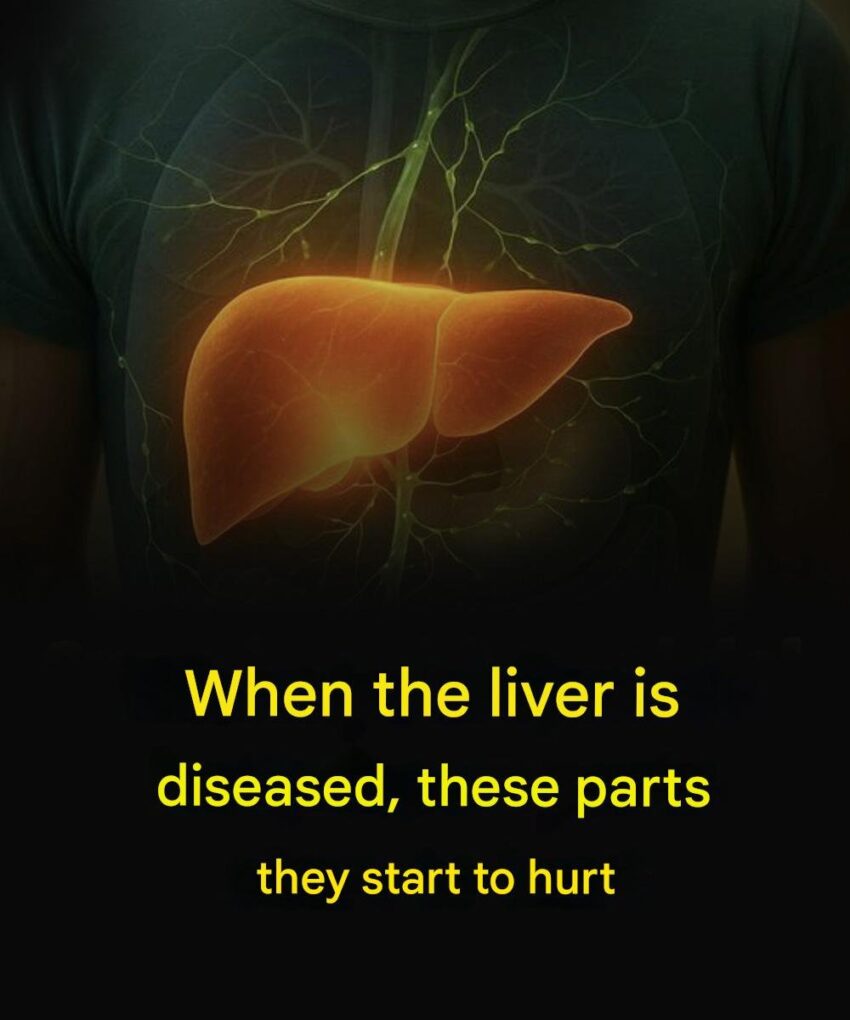
Here’s a detailed overview of liver disease, including types, causes, symptoms, and prevention:
1. What is Liver Disease?
Liver disease refers to any condition that damages the liver and affects its ability to function. The liver plays a critical role in:
- Filtering toxins from the blood
- Producing bile for digestion
- Storing energy and nutrients
- Regulating blood clotting
Damage can be acute (short-term) or chronic (long-term), potentially leading to liver failure if untreated.
2. Common Types of Liver Disease
- Hepatitis
- Inflammation of the liver, often caused by viruses (Hepatitis A, B, C) or autoimmune conditions.
- Fatty Liver Disease
- Non-alcoholic fatty liver disease (NAFLD): Fat accumulation unrelated to alcohol; common in obesity or diabetes.
- Alcoholic fatty liver disease: Due to excessive alcohol consumption.
- Cirrhosis
- Long-term scarring of the liver tissue, often from hepatitis or chronic alcohol use.
- Liver Cancer (Hepatocellular Carcinoma)
- Can develop in cirrhotic or chronically damaged livers.
- Genetic or Metabolic Liver Disorders
- Examples: Hemochromatosis (iron overload), Wilson’s disease (copper accumulation).
3. Causes and Risk Factors
- Excessive alcohol consumption
- Obesity and metabolic syndrome
- Viral hepatitis infections
- Toxins and certain medications (e.g., acetaminophen overdose)
- Genetic conditions affecting liver metabolism
4. Symptoms of Liver Disease
Symptoms can be subtle in early stages:
- Fatigue and weakness
- Loss of appetite
- Nausea or vomiting
- Abdominal pain or swelling (particularly in the upper right abdomen)
- Yellowing of skin or eyes (jaundice)
- Dark urine, pale stools
- Swelling in legs or ankles
- Itchy skin or easy bruising
Note: Advanced liver disease may cause confusion (hepatic encephalopathy) or bleeding problems.
5. Diagnosis
- Blood tests: Liver enzymes (ALT, AST), bilirubin, albumin, clotting profile
- Imaging: Ultrasound, CT scan, MRI to detect structural changes
- Liver biopsy: In some cases, to assess scarring or inflammation
6. Treatment
Depends on the cause:
- Lifestyle changes: Alcohol cessation, weight loss, healthy diet
- Medications: Antiviral for hepatitis, medications to manage symptoms
- Surgery: Liver transplant for advanced cirrhosis or liver failure
- Management of complications: Ascites, portal hypertension, hepatic encephalopathy
7. Prevention
- Get vaccinated for Hepatitis A & B
- Maintain a healthy weight and balanced diet
- Limit alcohol consumption
- Avoid sharing needles or unprotected sex to reduce viral hepatitis risk
- Use medications safely and avoid liver-toxic substances
If you want, I can make a simple visual guide showing liver disease types, symptoms, and prevention tips, which is easy to remember and share.
Do you want me to create that visual guide?
